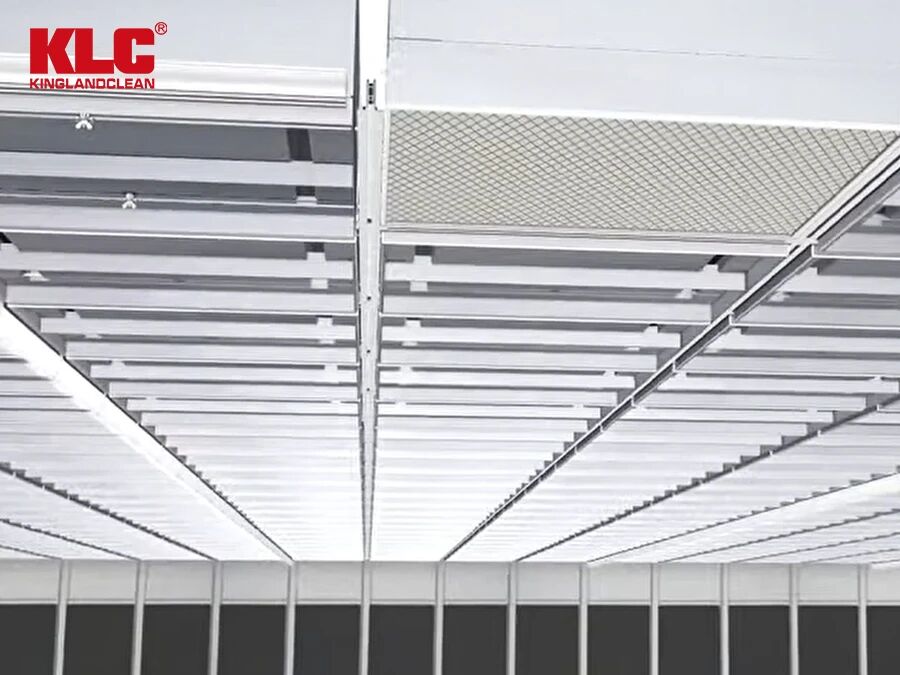
In modern large-scale cleanroom projects, the deployment scale of Fan Filter Unit (FFU) often reaches thousands. Faced with such a large number of devices, the traditional decentralized management model, which relies on manual on-site inspection and adjustment, not only has significant disadvantages in terms of labor costs and time efficiency, but also exhibits response lag and monitoring blind spots when dealing with sudden equipment anomalies. The introduction of the Fan Filter Unit (FFU) network group control system fundamentally restructures this management paradigm, realizing centralized and intelligent control of massive amounts of equipment.
I. Fault Alarm: Constructing an all-weather, blind-spot-free intelligent monitoring system
In operating environments lacking centralized monitoring, damage to the motor or abnormal shutdown of a single Fan Filter Unit (FFU) is often difficult to detect in a timely manner, typically only emerging during periodic manual inspections. During this lag period, the cleanliness parameters of the local microenvironment may deviate, posing a potential risk to high-precision manufacturing processes and even leading to the scrapping of batches of products.
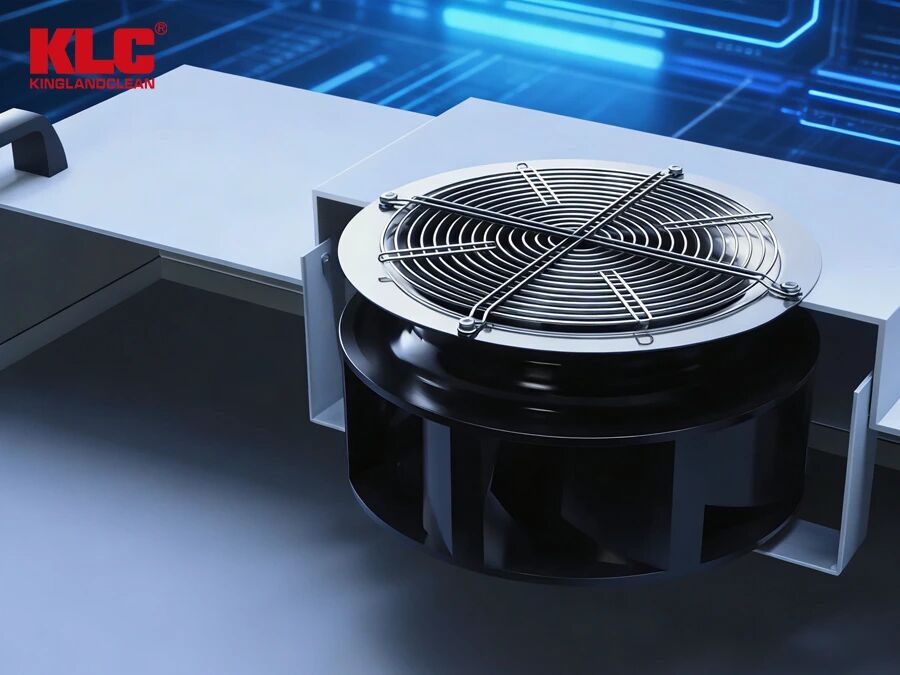
After deploying the Fan Filter Unit (FFU) network control system, all devices are connected to the unified network as intelligent nodes. The system's built-in fault self-diagnosis module monitors the operating status of each Fan Filter Unit (FFU) in real time at the millisecond level. Once a device experiences overload, phase loss, abnormal shutdown, or sensor malfunction, the system will immediately trigger a tiered alarm on the central control platform and simultaneously notify maintenance personnel through audible and visual alerts and remote communication. This instant feedback mechanism effectively prevents the spread of single-point failures to systemic risks, ensuring the continuous stability and compliance of the clean environment.
II. Remote speed control: Enables flexible and precise adjustment of wind speed parameters
Cleanroom production processes are dynamically adjustable, with varying requirements for airflow organization and cleanliness levels at different stages. Traditional adjustment methods require maintenance personnel to climb to heights and adjust equipment dials or knobs one by one, which is not only physically demanding but also carries the risk of misoperation and cannot meet the needs of modern factories for rapid line changeovers and process modifications.
Through the Fan Filter Unit (FFU) network control system, managers can remotely adjust the speed of any single unit, a specific area, or all equipment from the central control room. The system supports multi-level presets and strategic command issuance, and can synchronize the speed of thousands of devices with a single click based on production plans or environmental monitoring data. This remote and precise control capability not only significantly reduces the workload of maintenance personnel but also gives the cleanroom environment the flexibility to adapt to changing needs, effectively supporting the rapid iteration and optimization of production processes.
III. Centralized Management: Building a Highly Integrated Digital Operation and Maintenance Platform
Despite the low-maintenance nature of Fan Filter Unit (FFU), in the absence of effective management tools, maintenance teams still need to expend considerable effort on data collection, report preparation, and fault tracing when dealing with large equipment assets. Furthermore, if subsystems such as HVAC and lighting are independent, it will lead to fragmented management interfaces, increasing the complexity of system coordination.
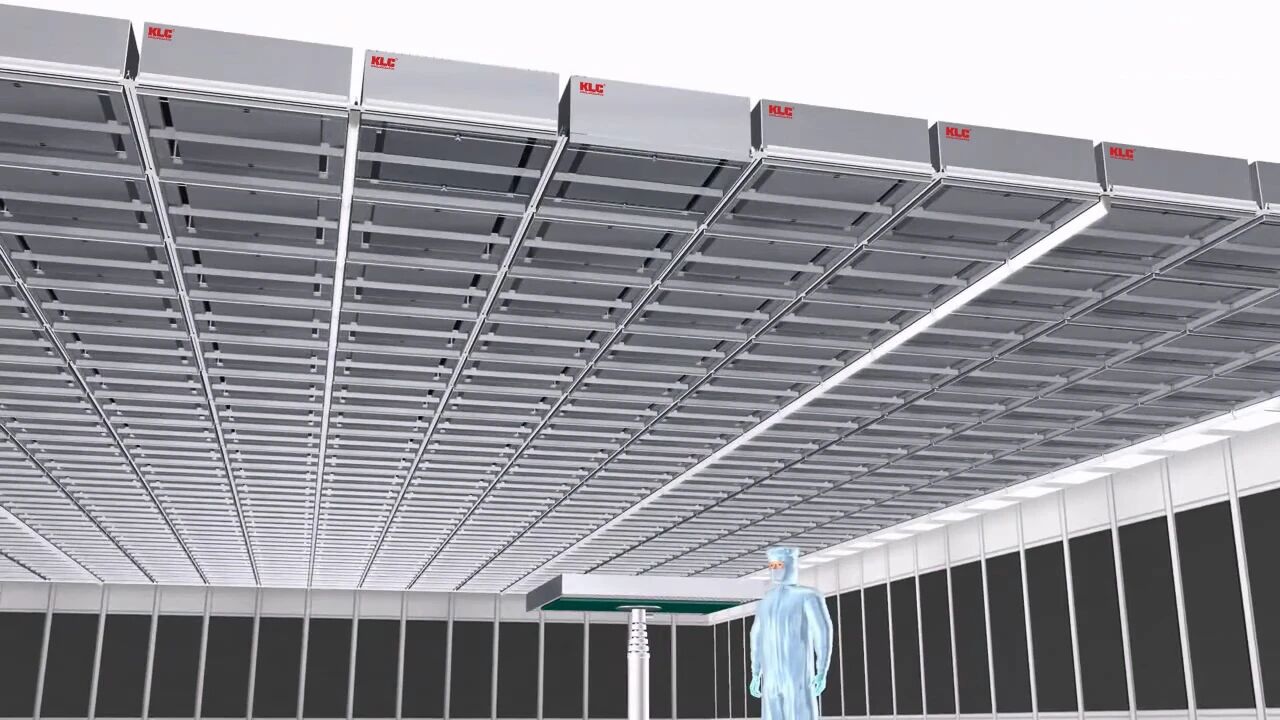
The FFU (Functional Unit) network control system integrates dispersed hardware resources into a unified digital management platform. The system possesses comprehensive data mining and analysis capabilities, automatically generating equipment operation logs, energy consumption analysis reports, and fault statistics charts, providing objective data support for management decisions. Simultaneously, the system supports deep integration with building automation systems or manufacturing execution systems, achieving cross-system logical linkage. For example, it can automatically adjust airflow based on occupancy status to achieve energy savings, or execute emergency shutdown upon receiving a fire alarm signal. This highly integrated intelligent architecture significantly improves operational efficiency and reduces total lifecycle operating costs.
In summary, the Fan Filter Unit (FFU) network group control system, with its intelligent advantages in fault early warning, remote control and centralized management, upgrades cleanroom operation and maintenance from an inefficient, labor-intensive model to a highly efficient, digitally driven model, truly enabling a single person to accurately control thousands of devices.