The right aluminum truss depends on your application, total load, and environment. This guide gives step-by-step process, from defining purpose to reviewing safety certifications. Professionals, DIY organizers can use the same checklist. Avoid overbuying, underbuilding, or compromising safety. Trusted manufacturers publish load tables and span charts. These make it easier to choose the right aluminum truss system.
Key Takeaways
-
Define your event needs and calculate the total load with a safety margin to avoid unsafe or overpriced setups.
-
Match truss specifications like material, type, and size to your span and environment for optimal performance.
-
Always review safety certifications and consult experts to ensure a safe and reliable truss system.
Assess Needs and Load to Choose the Right Aluminum Truss System
Application, load, and environment form the three pillars of every truss decision. Skipping this assessment is the most common cause of unsafe or overpriced setups. You must define your application first, then calculate the load with a safety margin.
Define the Application
Your event purpose dictates the truss configuration. Common applications include stage canopies, lighting rigs, LED screen support, exhibition booths, and entrance arches. Each purpose demands a different structural approach. A lighting rig requires frequent rigging points, while an LED screen support needs a flat, stable face.
Consider the equipment you will mount, the event duration, and your portability needs. A one-day exhibition booth may prioritize quick assembly, while a week-long festival demands durability. Aluminum trusses suit these varied roles because they are lightweight, easy to handle, and corrosion-resistant for outdoor or humid settings. Steel trusses offer greater load capacity for permanent installations, but they are heavier and harder to transport.
Calculate Load and Safety Margin
Load calculation starts with a simple inventory. Add up the weight of every fixture, cable, and piece of rigging hardware. For lighting, pull the nameplate wattage from spec sheets. Sum by zone first: stage wash, accent uplights, and decorative strings. Convert watts to amps using the supply voltage, then compare against your breaker rating. The core formula is amps equals watts divided by volts. A 60-watt bulb on a 120-volt circuit draws 0.5 amps. Ten such fixtures on one run draw 5 amps total.
Distinguish static loads from dynamic loads. Static loads include deck weight and stationary equipment. Dynamic loads come from wind, movement, and performers. A person jumping can generate two to four times their body weight in force. For static loads, apply a safety factor of 5:1 or 8:1. For dynamic loads, add an additional 25-50% margin. Always use manufacturer load tables instead of estimating. These tables show rated capacities for 2, 3, and 4 chord trusses, with load bearing capacity increasing from 2 to 4 chord options. When you choose the right aluminum truss system, you match these ratings to your calculated load.
Match Truss Specifications to Your Event
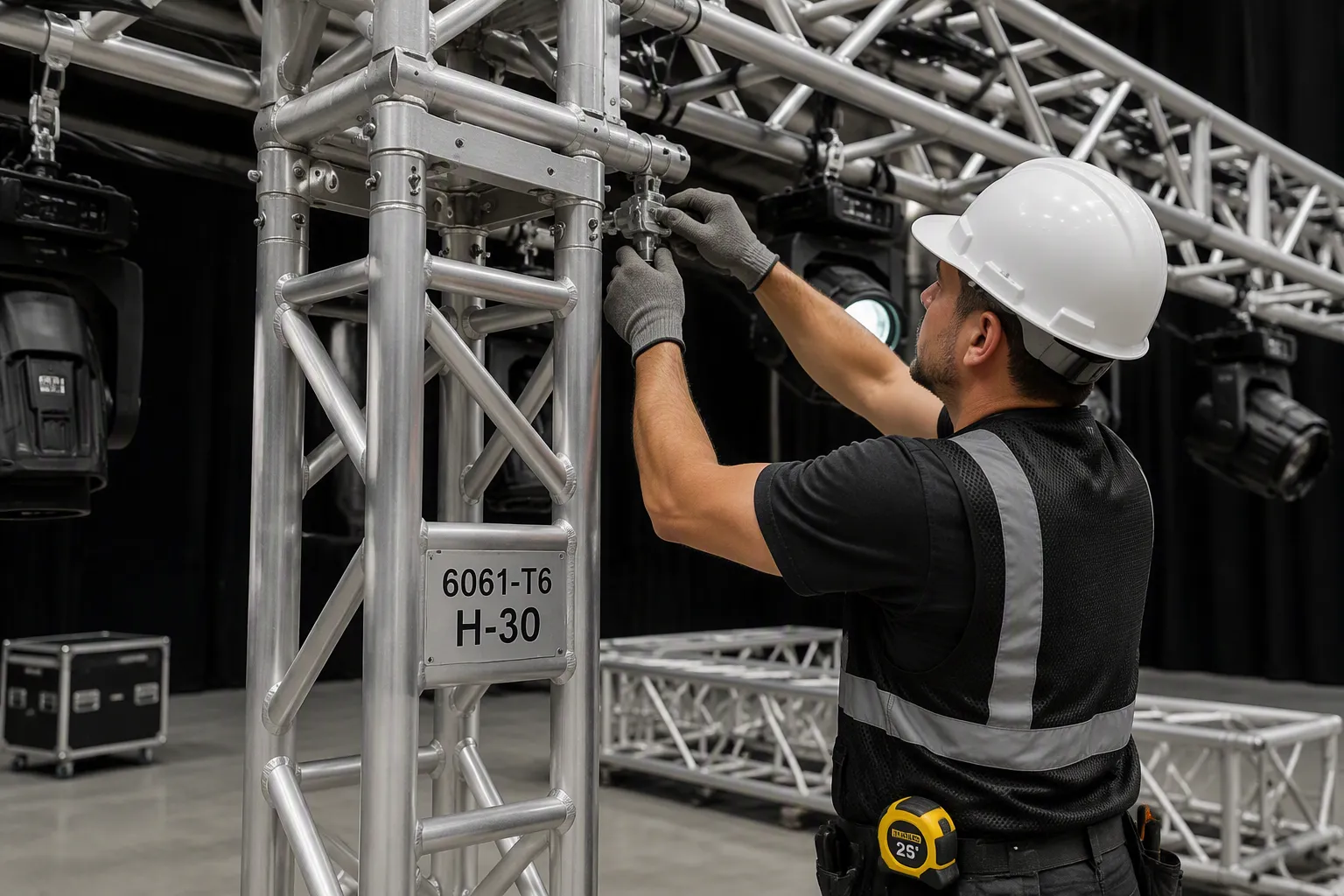
You must balance load capacity, application scenario, and operational efficiency. Setup height and width affect both truss size and connection style. A taller rig needs a wider base and stronger connections.
Choose Material and Truss Type
Aluminum outperforms steel in event settings because of its strength-to-weight ratio. The 6061-T6 grade is the industry standard for event trusses. Its density is 2.70 g/cm³, while steel sits near 7850 kg/m³. That difference makes aluminum far easier to transport and install. The yield strength of 6061-T6 reaches roughly 240 MPa. Steel carries more load per member, but aluminum reduces total system weight. Lower weight cuts transportation cost, installation effort, and support requirements. Aluminum also resists corrosion well, which suits outdoor and humid venues.
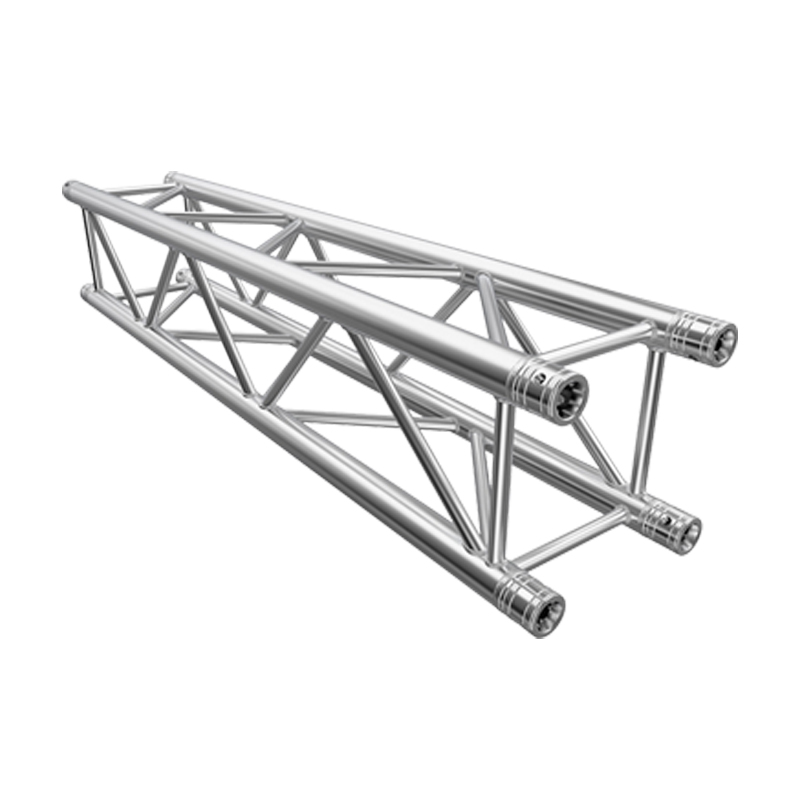
Match the truss type to your use. Ladder truss has two chords and works for short spans or light overhead support. Triangle truss offers good strength at low weight for smaller setups and curved designs. Box truss uses four chords and handles medium to heavy-duty projects like stage lighting, LED walls, and overhead grids. Lightweight aluminum with snap-together designs speeds up setup considerably.
Match Size to Span
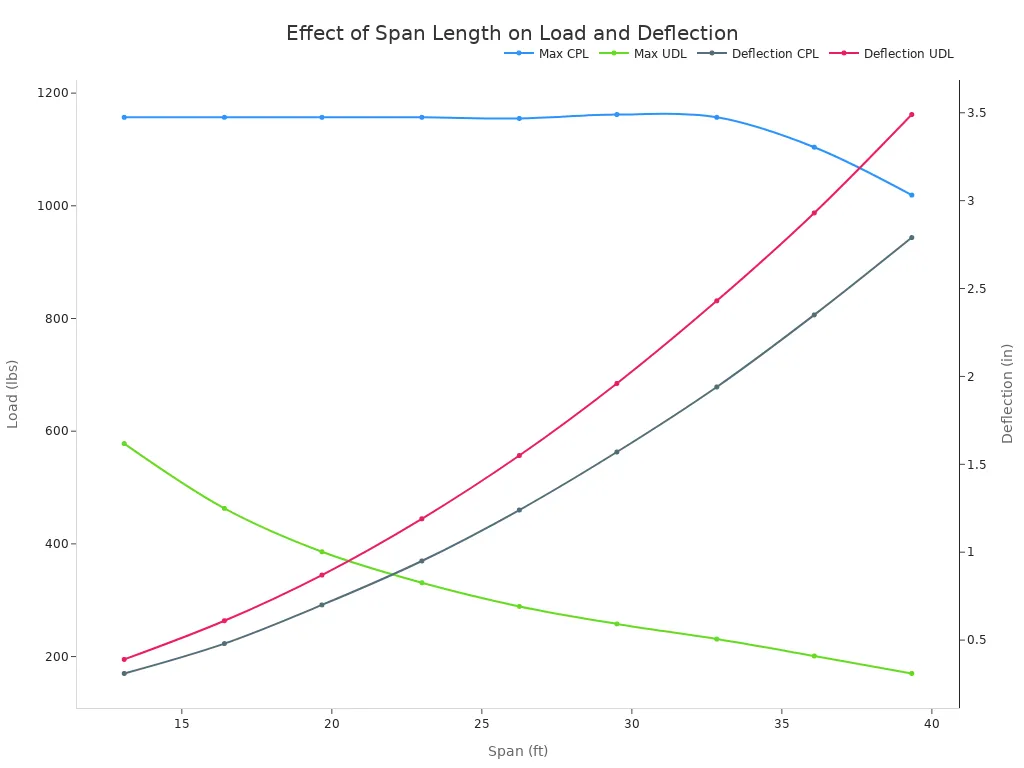
Check the maximum unsupported span against your layout. Load capacity drops as span length increases. Always refer to the manufacturer's load charts for your specific truss size.
Connection methods matter too. Spigot quick-connect systems assemble very fast and suit concerts and touring. Bolt connections install slower but provide very high rigidity for heavy roofs and long spans. Plate-end connections serve permanent structures. Plan transport and storage around your chosen connection style. When you choose the right aluminum truss system, you match these specifications to your real load and layout.
Evaluate Environment and Safety Data
Safety certifications such as CE and TUV are non-negotiable when you choose a manufacturer. Professional truss structures must meet strict safety standards for reliability and durability. Your environment and your paperwork both determine whether a system is safe to use.
Indoor vs. Outdoor Use
Indoor setups face fewer wind and weather loads. However, you still deal with ceiling height limits and rigging point restrictions. Outdoor setups require wind load calculations, anchoring plans, and weather-resistant finishes. Ground leveling becomes critical outdoors, and you must assess the presence of large audience gathering areas. These specific concerns do not apply to indoor installations.
|
Installation Environment |
Additional Safety Requirements |
|---|---|
|
Outdoor |
Ground leveling must be ensured; presence of large audience gathering areas must be assessed |
|
Indoor |
These specific concerns (ground leveling, audience gathering areas) do not apply |
Permanent installations need different certifications and inspection schedules than temporary builds. Always verify rated load limits and never exceed them, even for short events.
Review Certifications
Request load test reports, engineering certifications, and local regulation compliance documents from the manufacturer. Reputable manufacturers provide these to demonstrate structural integrity. 6061-T6 aluminum is widely used in event truss systems due to its balance of strength, weight, and ease of installation. Always consult a structural engineer or the manufacturer for design support. When in doubt, choose the stronger truss rather than the cheaper one.
-
Define your application.
-
Calculate the load with a safety margin.
-
Choose material and truss type.
-
Match size to span.
-
Plan logistics.
-
Review safety data.
No single truss fits every event. Your project's specific safety and performance needs determine the right choice. Use manufacturer load tables. Consult experts. Prioritize safety over cost. This process helps you Choose the Right Aluminum Truss System.
FAQ
What is the best aluminum truss for events?
The best aluminum truss for events matches your load, span, and environment. Box truss suits heavy rigs. Ladder truss works for light spans. Always check manufacturer load tables first.
How do you choose aluminum truss for outdoor use?
You must plan for wind loads, anchoring, and ground leveling. Choose corrosion-resistant aluminum grades like 6061-T6. Verify load test reports and engineering certifications before you buy.
Can you use indoor truss outdoors?
No. Indoor trusses may lack weather-resistant finishes and wind load ratings. Outdoor setups need anchoring plans and certified wind calculations. Consult the manufacturer before using any truss outside.