```html
China has become an important sourcing destination for aluminum truss systems, supplying products for concerts, exhibitions, stage productions, LED displays, and entertainment venues worldwide. For international buyers, working with a Chinese aluminum truss manufacturer can provide access to a wide product range, flexible customization, and competitive manufacturing costs.
However, finding a reliable supplier requires more than comparing quotations or browsing product catalogs. Differences in manufacturing capabilities, material quality, welding standards, engineering support, and quality control can have a significant impact on the final product.
So, how can you identify a trustworthy aluminum truss manufacturer in China? Whether you are an event production company, stage equipment distributor, rental business, or project contractor, this guide explains how to evaluate potential suppliers and make a more informed sourcing decision.
Key Takeaways
- Check whether the supplier operates its own aluminum truss manufacturing facility.
- Evaluate production equipment, welding processes, and technical personnel.
- Verify certifications such as EN 1090-2, EN 1090-3, and EN ISO 3834.
- Request material documents, structural drawings, and relevant load test reports.
- Evaluate customization capabilities, delivery management, and after-sales support.
- Compare suppliers based on overall manufacturing value rather than price alone.
Start by Identifying the Right Type of Aluminum Truss Supplier
Before contacting manufacturers in China, define what kind of supplier your project actually needs. Not every aluminum truss supplier specializes in the same products or applications.
Some companies focus on standard lighting trusses for small events, while others manufacture heavy-duty structural trusses, complete stage systems, and customized LED screen support structures.
For professional buyers, it is worth looking for a manufacturer that offers:
- Standard aluminum spigot truss and bolt truss.
- Square, triangular, rectangular, and custom-shaped truss structures.
- Stage lighting and concert truss systems.
- LED wall support and ground support structures.
- Customized dimensions, connections, and structural configurations.
A supplier with a focused product range is generally easier to evaluate because you can compare its manufacturing experience, technical specifications, and previous applications within the same industry.
For example, GF-Truss manufactures different aluminum truss products, covering spigot trusses, box trusses, and customized structures for event and entertainment applications.
Verify Whether the Supplier Is a Real Manufacturer
One of the first challenges when sourcing aluminum truss from China is distinguishing a direct manufacturer from a trading company or intermediary.
Trading companies can also provide useful sourcing services, but buyers who need customized structures, technical communication, and long-term production cooperation may benefit from working directly with a factory.
Here are several practical ways to verify a manufacturer's identity.
Check the Business License
Request the supplier's Chinese business license and check its registered company name, business scope, and registered address. Manufacturing-related business activities can help establish whether the company is involved in production.
However, a business license alone does not prove that the company owns a factory. It should be checked together with other manufacturing evidence.
Confirm the Factory Address
Ask for the actual manufacturing address rather than accepting a sales office or showroom address. You can compare the address with the company information, inspect the location through online maps, and request a live video tour of the production facility.
Ask About In-House Production
Find out which processes are completed inside the factory. Does the company handle aluminum tube cutting, machining, welding, assembly, and inspection itself? Are some processes outsourced to other workshops?
A manufacturer should be able to explain its production workflow clearly and identify the responsibilities of different departments.
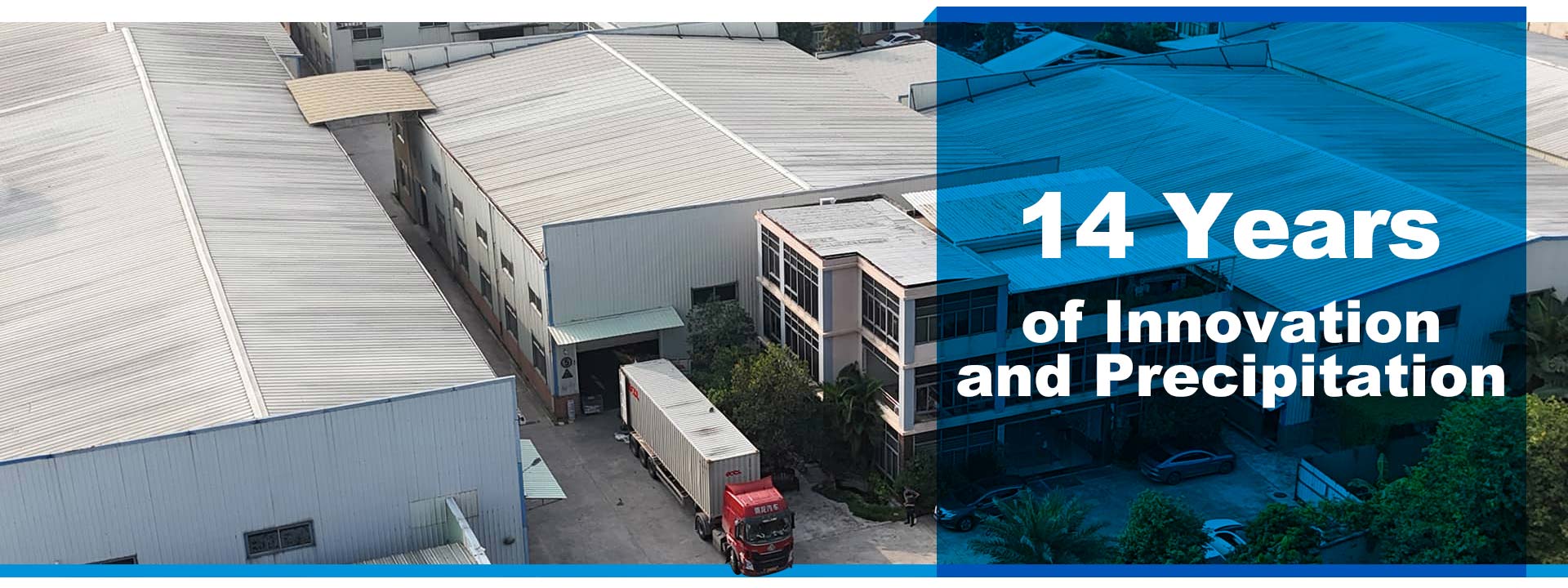
GF-Truss operates its own manufacturing facility in Guangzhou, China, with in-house production capabilities and equipment for aluminum truss fabrication. Buyers can learn more about the company's background through the GF-Truss manufacturer profile.
Evaluate Factory Equipment and Manufacturing Capabilities
A reliable aluminum truss manufacturer needs more than a workshop and a collection of welding machines. Production equipment, processing accuracy, and manufacturing management all influence product consistency.
When evaluating a factory, pay attention to the following areas:
- Cutting equipment: Accurate tube cutting helps ensure that individual components match the required dimensions.
- CNC machining: Precision machining supports consistent processing of connecting plates and other components.
- Welding equipment: Appropriate equipment and qualified welding procedures are important for structural connections.
- Assembly facilities: Dedicated assembly areas allow manufacturers to check dimensions and connection compatibility.
- Inspection equipment: Measuring tools and testing equipment help identify manufacturing defects before delivery.
It is also worth asking how the manufacturer manages production schedules, material storage, work-in-progress inspection, and finished-product handling.

GF-Truss uses CNC machining equipment and dedicated production processes to manufacture aluminum truss components. Its manufacturing capabilities support standard products as well as customized structures with specific dimensions and connection requirements.
When assessing a supplier, request photographs or live videos of the actual equipment in operation. This provides more useful evidence than relying solely on promotional descriptions.
Check Certifications and Quality Management Systems
Certifications are important indicators when evaluating an aluminum truss manufacturer, especially for international projects where structural safety and manufacturing consistency are essential.
However, buyers should understand what each certification actually covers instead of simply counting the number of certificates displayed on a supplier's website.
Some relevant standards and certifications include:
- EN 1090-2: Covers execution requirements for steel structures and relevant factory production control processes.
- EN 1090-3: Covers execution requirements for aluminum structures, including production and quality control.
- EN ISO 3834: Specifies quality requirements for fusion welding of metallic materials.
- ISO 9001: Relates to quality management systems.
- ISO 14001: Relates to environmental management systems.
- ISO 45001: Relates to occupational health and safety management systems.
When reviewing certificates, check the legal company name, certificate scope, validity period, issuing organization, and whether the certified activities cover the products you intend to purchase.
GF-Truss holds EN 1090-2 and EN 1090-3 Factory Production Control certifications, together with EN ISO 3834-2 certification verified through TÜV SÜD. These systems demonstrate its focus on structural manufacturing control and welding quality management.

You can review the company's aluminum structure and welding certifications to learn more about its quality management credentials.
For further verification, request copies of relevant certificates and confirm their scope with the issuing organization. Remember that a management or production certification does not replace product-specific structural calculations or load test reports.
Examine Material Quality and Welding Standards
The quality of an aluminum truss depends heavily on its raw materials and fabrication processes. Two products may look almost identical in photographs but have different material specifications, tube thicknesses, and welding quality.
When communicating with a potential aluminum truss factory, ask for specific information about its materials and production standards.
Aluminum Alloy Specifications
Professional aluminum trusses commonly use alloys such as 6061-T6 and 6082-T6. Request material specifications or mill test certificates to verify the alloy grade and temper condition.
Other important details include:
- Main tube diameter and wall thickness.
- Secondary tube and diagonal brace dimensions.
- Aluminum plate thickness and connection design.
- Material traceability and incoming inspection procedures.
Welding Quality
Welding is another critical factor in aluminum truss manufacturing. Poor welding practices, inconsistent weld seams, and inadequate process control can affect the structural performance of the finished product.
Ask whether the manufacturer uses documented welding procedures and qualified personnel. You can also request close-up photographs of weld joints and relevant inspection records.
Dimensional Accuracy
Truss sections need to fit together correctly during installation. Inconsistent lengths, connection dimensions, or alignment can create difficulties when assembling larger structures.
A professional manufacturer should have defined dimensional inspection procedures and verify that connecting components match the approved drawings.
Request Load Test Reports and Engineering Documentation
For aluminum truss products used in stage structures, lighting rigs, and LED screen support systems, load-bearing performance must be evaluated carefully.
A supplier's statement that its products are heavy-duty or high-strength is not enough. Buyers should request documentation that supports the actual structural configuration.
Important documents include:
- Product technical drawings and dimensions.
- Material specifications and relevant test records.
- Structural calculations where applicable.
- Third-party load test reports.
- Inspection records for finished products.
When reviewing a load test report, check the truss model, dimensions, span, loading positions, support conditions, and test results. Different configurations may have significantly different load-bearing characteristics.
GF-Truss provides TÜV load-bearing test reports for selected aluminum truss products and other stage equipment. Buyers can visit the TÜV load test documentation page to review available testing information.
For large-scale concert structures or outdoor installations, the complete system should also be evaluated by qualified structural professionals. Individual product test reports cannot automatically establish the safety of an entire assembled structure.
Assess Customization and Engineering Support
Not every event or stage project can use standard truss dimensions. Buyers may need special lengths, curved structures, custom colors, non-standard connections, or complete support systems designed around specific installation conditions.
This is why engineering and customization capabilities should be part of your supplier evaluation.
A capable aluminum truss manufacturer should be able to provide:
- CAD drawings and three-dimensional design previews.
- Customized truss dimensions and structural configurations.
- Special-shaped and curved aluminum truss solutions.
- Custom surface finishes and logo engraving.
- Pre-assembly and connection compatibility checks.
- Technical communication during project planning and production.
For example, a concert production company may require a large-span lighting structure, while an exhibition contractor may need a lightweight framework with a specific layout. These projects require different design approaches and manufacturing details.
GF-Truss provides custom aluminum truss design and manufacturing services, including drawing confirmation, production according to approved specifications, and optional trial assembly before shipment.
Before production starts, make sure both parties have confirmed the drawings, dimensions, materials, connection details, surface finishes, and load requirements. Written confirmation helps reduce misunderstandings during manufacturing.
Review Production Capacity and Delivery Reliability
A manufacturer may offer competitive prices and good product quality, but insufficient production capacity or poor delivery management can still affect your project schedule.
This is particularly important for event contractors and equipment distributors who work with fixed installation dates and seasonal demand.
When evaluating production capacity, consider the following questions:
- How many aluminum truss products can the factory manufacture annually?
- How many production lines or processing stations are available?
- Can the factory handle both standard and customized orders?
- How does the supplier manage raw material inventory?
- What is the estimated production lead time for your order?
- Can the manufacturer provide progress updates during production?
Do not evaluate factory capacity based on a single number. Consider whether the equipment, workforce, production planning, and quality inspection resources can support your specific order quantity and delivery schedule.
GF-Truss has more than 14 years of experience in aluminum truss manufacturing and reports an annual production output of over 150,000 meters of trusses. Its production capabilities support both standard orders and customized project requirements.
For larger orders, buyers should still confirm current production schedules, available capacity, packaging arrangements, and shipment dates directly with the manufacturer.
Evaluate Communication and After-Sales Support
Good communication is often overlooked when choosing an aluminum truss manufacturer in China. However, international orders involve multiple stages, from technical confirmation and quotation to production, inspection, shipping, and installation.
A reliable supplier should be able to communicate clearly and respond to technical questions with specific information.
Pay attention to the following aspects:
- Technical communication: Can the sales team coordinate with engineers when technical questions arise?
- Quotation transparency: Are product specifications, quantities, accessories, and costs clearly listed?
- Production updates: Can the supplier provide progress photographs or videos?
- Pre-shipment inspection: Can buyers or their representatives inspect the finished products?
- Installation guidance: Are assembly drawings, instructions, or technical assistance available?
- After-sales response: Is there a clear process for handling product issues or replacement parts?
For buyers who are purchasing a customized structure for the first time, access to engineering communication and installation support can be particularly valuable.
GF-Truss offers technical design support, pre-assembly services, and installation guidance according to project requirements. These services help international buyers coordinate product details before the equipment reaches the installation site.
Compare Quotations and Understand the Total Cost
Price is an important part of international sourcing, but choosing the lowest quotation without checking the specifications can create unnecessary risks.
When comparing aluminum truss manufacturers, make sure you are comparing equivalent products. Two quotations may appear similar while covering different materials, tube thicknesses, connection accessories, or testing documentation.
Use the following points when reviewing supplier quotations:
- Aluminum alloy grade and material specifications.
- Truss dimensions, wall thickness, and section lengths.
- Connection components and included accessories.
- Surface treatment and customization requirements.
- Product inspection and test documentation.
- Packaging, transportation, and delivery terms.
- Warranty conditions and after-sales services.
It is also important to clarify payment terms, production lead times, shipping arrangements, and responsibilities for any additional costs.
A transparent quotation makes it easier to understand what you are paying for and reduces the possibility of unexpected expenses later.
Why Consider GF-Truss as Your Aluminum Truss Manufacturing Partner?
For international buyers looking for an aluminum truss manufacturer in China, GF-Truss offers manufacturing experience, product variety, and technical support for professional stage and event applications.
Guangzhou Guofeng Stage Equipment Co., Ltd. has more than 14 years of experience in customized aluminum truss manufacturing and LED wall support solutions.
Its manufacturing and service capabilities include:
- Manufacturing experience: More than 14 years of experience in aluminum truss production and structural customization.
- Production capacity: Annual truss output exceeding 150,000 meters.
- Product range: Spigot truss, bolt truss, box truss, custom-shaped truss, stage systems, and LED wall supports.
- Quality systems: EN 1090-2, EN 1090-3, and EN ISO 3834-2 certification credentials.
- Manufacturing equipment: CNC machining and dedicated production processes.
- Engineering support: CAD drawings, 3D design, and customized structural solutions.
- Project services: Product inspection, optional pre-assembly, and installation guidance.
Whether you need standard aluminum truss sections for equipment rental, a customized concert structure, or an LED screen support system, GF-Truss can discuss your requirements and provide a suitable manufacturing solution.
You can explore its aluminum truss products and manufacturing capabilities to learn more about available solutions.
A Practical Checklist Before Choosing a Chinese Aluminum Truss Factory
Before confirming a supplier, use this checklist to organize your evaluation. It can also help your purchasing team compare multiple manufacturers more consistently.
| Evaluation Area | What to Verify |
|---|---|
| Company Background | Business license, registered address, and manufacturing experience |
| Factory Capabilities | In-house production, equipment, workforce, and annual output |
| Material Quality | Alloy grade, tube thickness, and material certificates |
| Certifications | Applicable EN standards and welding quality credentials |
| Product Testing | Load test reports and structural documentation |
| Customization | CAD design, custom dimensions, and trial assembly |
| Delivery | Production schedule, packaging, and shipping arrangements |
| Customer Support | Technical communication and after-sales assistance |
Taking time to verify these areas before placing an order can help reduce sourcing risks and establish a more dependable long-term supplier relationship.
Frequently Asked Questions About Aluminum Truss Manufacturers in China
How can I find a reliable aluminum truss manufacturer in China?
Start by researching manufacturers through Google, industry exhibitions, professional referrals, and B2B platforms. Shortlist suppliers with relevant production experience, then verify their factory addresses, manufacturing equipment, certifications, product testing records, and technical support capabilities.
How can I tell whether an aluminum truss supplier is a factory or a trading company?
Request the business license, actual factory address, production videos, and details about in-house manufacturing processes. A live factory tour and direct communication with production or engineering personnel can provide additional evidence of manufacturing capabilities.
What certifications should an aluminum truss manufacturer have?
Relevant credentials may include EN 1090-2 and EN 1090-3 for structural execution and factory production control, EN ISO 3834 for welding quality management, and ISO 9001 for quality management systems. Always verify the certificate scope and validity.
What aluminum alloy is commonly used in professional truss manufacturing?
6061-T6 and 6082-T6 are commonly used aluminum alloy options. Buyers should request material documentation and evaluate the alloy together with tube dimensions, structural design, and applicable load requirements.
Can Chinese aluminum truss manufacturers provide customized products?
Yes. Many specialized manufacturers offer custom lengths, dimensions, colors, shapes, connection configurations, and complete structural systems. Provide technical drawings or project specifications so the manufacturer can evaluate the requirements before production.
How do I verify the quality of aluminum truss before shipment?
Request material certificates, dimensional inspection records, welding quality documentation, and relevant load test reports. You can also arrange a factory visit, third-party inspection, or pre-shipment assembly inspection to verify the finished products.
How long does it take to manufacture aluminum truss in China?
Production lead time depends on product type, order quantity, customization requirements, material availability, and the manufacturer's current production schedule. Request a confirmed production timeline before placing your order.
Why should I work directly with an aluminum truss manufacturer?
Direct factory cooperation can improve communication about technical specifications, customization, production schedules, and quality control. It can also make it easier to discuss product modifications and coordinate inspection before shipment.
Looking for a Reliable Aluminum Truss Manufacturer in China?
GF-Truss provides aluminum truss manufacturing, customized stage structures, and LED wall support solutions for international projects. Share your product requirements, drawings, or project details with our team to discuss a suitable solution.