In the field of cleanroom air filtration, HEPA filters have always been the cornerstone of protecting air quality. However, with the rapid development of ultra-precision industries such as semiconductors and biomedicine, traditional glass fiber filter materials are gradually showing their limitations when facing extreme chemical environments and the need for ultra-long service life.
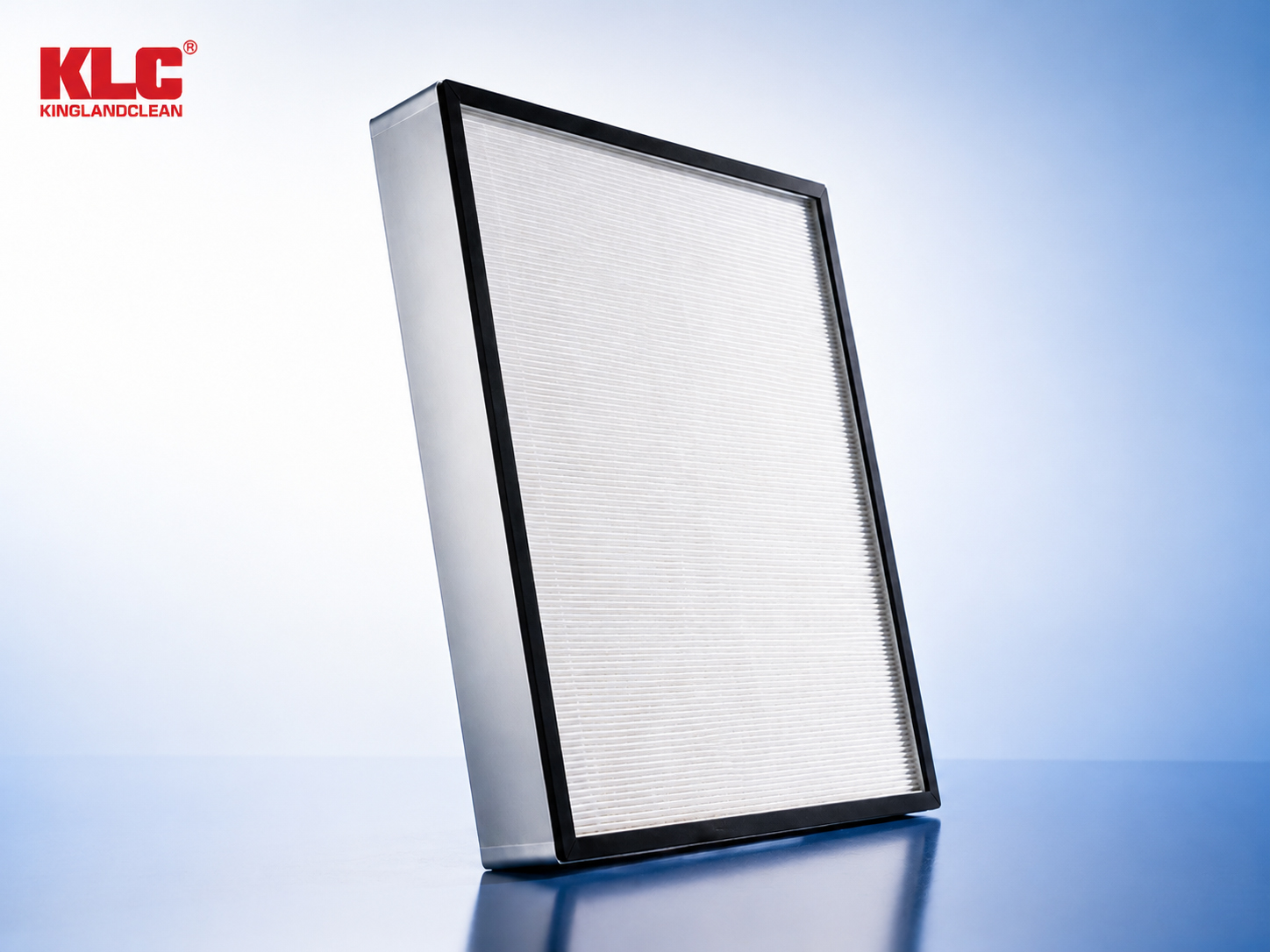
At this time, the PTFE HEPA filter emerged, and it is not only "lower in air resistance", but the cutting-edge material technology behind it is redefining the filtration standards of cleanrooms.
1. What is PTFE? The "Teflon" armor of the chemical world.
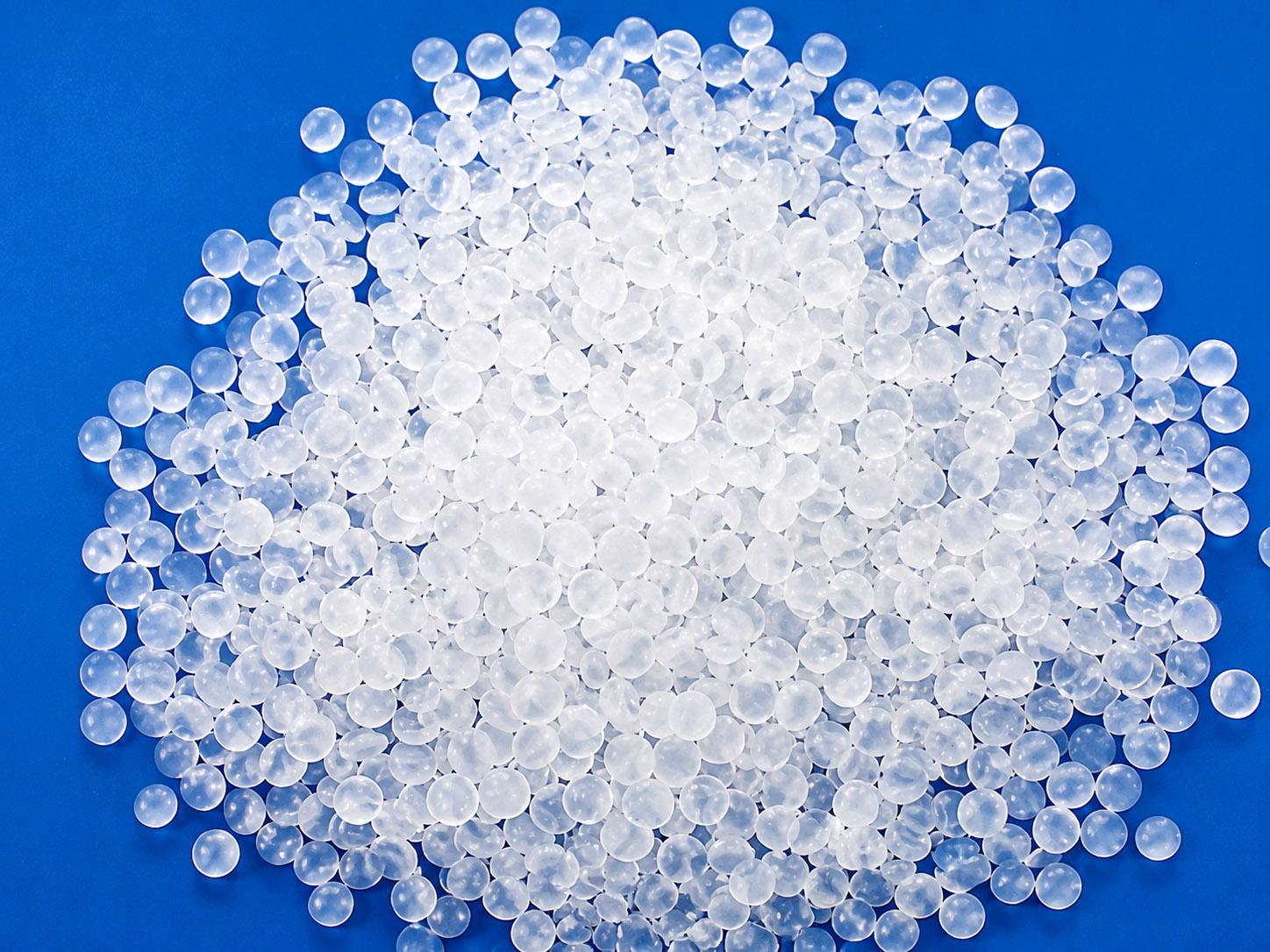
PTFE, or polytetrafluoroethylene, is commonly known as the "king of plastics." In cleanroom applications, the biggest technological advantage of PTFE membranes lies in their remarkable chemical stability .
Unlike traditional filter media that rely on electrostatic adsorption, PTFE membranes utilize a purely physical barrier formed through a unique node and fiber structure. This means they are resistant to acids, alkalis, and corrosion . In environments requiring chemical filtration or containing highly corrosive gases, traditional filter media may be eroded and penetrated within days, while PTFE filter media can maintain its structural integrity, ensuring it passes the air filter integrity test and significantly reducing maintenance costs in corrosive environments.
2. Superior physical properties: More than just "durable"
In addition to being chemically inert, PTFE material also possesses extremely high mechanical strength .
- Strong resistance to deformation : Under high wind speed or frequent pressure drop fluctuations, PTFE membranes can maintain a stable porosity and will not undergo plastic deformation like ordinary filter media, thus ensuring the durability of low pressure drop .
- Hydrophobic and oleophobic : Its natural hydrophobicity allows it to maintain high-efficiency air filtration performance even in high humidity environments, avoiding bacterial growth and increased resistance caused by moisture.
3. A "golden partnership" in the ultra-precision electronics industry
In a semiconductor cleanroom , the air quality requirements are extremely stringent. PTFE filters demonstrate unparalleled advantages here:
- Molecular-level interception : PTFE membranes can achieve more precise interception of ultrafine particles in semiconductor cleanroom classification , ensuring the yield rate of wafer production.
- Zero silicone leaching : In the electronics industry, even trace amounts of silicone contamination can cause short circuits in chips. PTFE material itself contains no silicone, making it an ideal choice for pharma air filters .
- Extra-long lifespan : In FFU ( fan filter unit ) , the lifespan of PTFE filter is usually several times that of ordinary deep pleat hepa filter , reducing downtime for replacement and saving the cleanroom a huge amount of operating expenses.
4. Conclusion
From ordinary air filter boxes to high-end terminal HEPA filters , PTFE material is becoming the mainstream in the high-end filtration field. It not only solves the pain points of traditional filter materials such as high air resistance and short lifespan, but also provides a solid air barrier for ultra-precision manufacturing due to its chemical stability and high strength . If you are struggling with cleanroom pressure control or chemical contamination, you might want to try this "black technology" from the materials industry.