In the structural architecture of modern Electric Vehicles (NEVs), the aluminum battery pack enclosure (battery tray) serves a dual critical purpose: ensuring maximum volumetric energy density while providing unmatched structural crashworthiness. As battery tray side beams and perimeter frames evolve toward complex curved profiles, manufacturing engineers face persistent challenges—most notably cross-sectional distortion, wall wrinkling, springback, and uneven weld gaps during stretch bending. At Yuebao Technology, we combine specialized CNC multi-point stretch bending with multi-axis milling, restricting cross-sectional deformation to strictly under 0.5% and achieving true automotive-grade ±0.1mm tolerance.
1. THE ENGINEERING CHALLENGE: WHY COMPLEX EV BATTERY PROFILES DEFORM DURING BENDING
[01] Asymmetric Multi-Cavity Sections & Wall Collapse
Unlike simple solid bars or uniform round tubes, EV battery pack side frame profiles feature intricate multi-cavity cross-sections with integrated cooling channels, bolt tracks, and internal crash ribs. During conventional rotary draw bending, the outer tension zone experiences significant wall thinning and transverse necking, while the inner compression zone tends to wrinkle. Even a slight collapse of the internal web can compromise the profile's structural integrity or crush internal coolant flow channels.
[02] Springback Variability in High-Strength 6000 Alloys
To achieve high yield strength (>260 MPa), automotive battery enclosures commonly utilize 6061-T6 or 6082-T6 alloys. However, their high yield-to-tensile ratio induces substantial elastic springback after bending. If the bending process cannot dynamically calculate and compensate for alloy grain direction and batch hardness variations, cross-sectional twist and contour radius deviations will occur, resulting in failure during robotic assembly and welding.
[03] The Tight Tolerance Requirements for FSW & IP68 Sealing
EV battery trays demand hermetic sealing (IP67 / IP68) to protect lithium-ion cells from moisture and dust. When bottom plates and side beams are joined using Friction Stir Welding (FSW), joint gap clearance must not exceed 0.2mm, and surface flatness must remain strictly flat. Any cross-sectional distortion beyond 0.5% causes weld flashing, incomplete penetration, or continuous sealing gasket leaks.
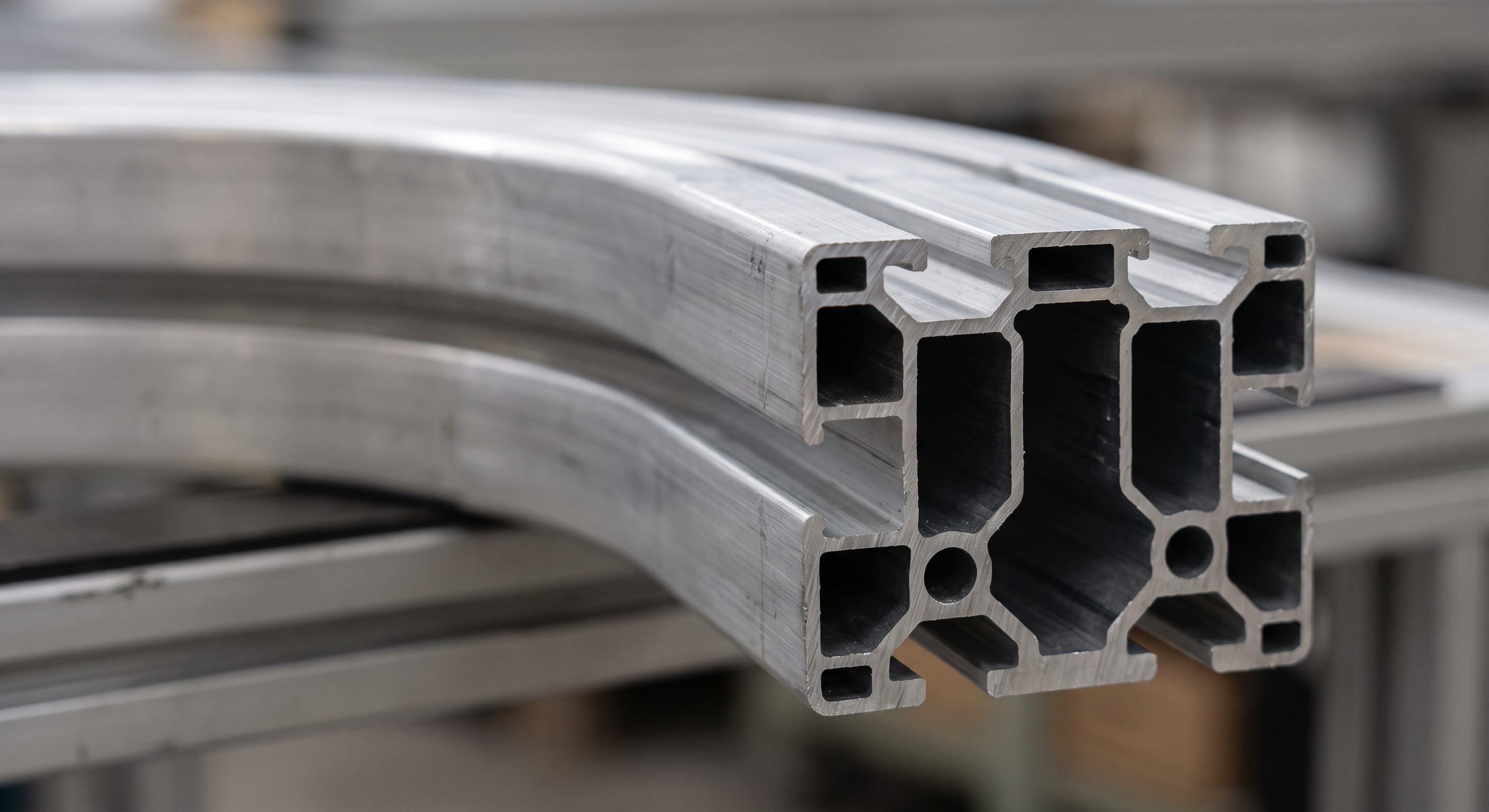
Figure 1: Multi-Cavity Aluminum Battery Pack Side Beam with Controlled Stretch Bending Radius
2. TECHNICAL BREAKDOWN: HOW YUEBAO CONTROLS CROSS-SECTIONAL DEFORMATION UNDER 0.5%
Foshan Nanhai Yuebao Technology utilizes specialized multi-axis CNC horizontal stretch bending technology coupled with pre-stretching and post-stretching cycles. By maintaining uniform axial tensile stress across the entire cross-section, the neutral bending layer is shifted toward the inner curvature, successfully suppressing compressive wrinkles and cross-sectional distortion:
- Modular Polyurethane & Steel Flexible Mandrels: Custom-tailored internal core mandrels perfectly match complex internal cavity profiles, providing solid support that completely prevents wall sinking and hollow collapse during radius pulling.
- Segmented Servo-Controlled Tension: Real-time hydraulic servo sensors calibrate pull tension in multi-stage intervals, ensuring elongation stays within the uniform plastic zone without inducing micro-cracks.
- Secondary CNC Datum Machining: Following stretch bending and artificial aging, components are clamped in dedicated vacuum-assisted hydraulic fixtures on large CNC milling centers to machine critical mounting holes, FSW lap joints, and gasket grooves to ±0.1mm accuracy.
| Fabrication Metric | Traditional Rotary Draw Bending | Standard Roll Bending | Yuebao CNC Stretch Bending |
|---|---|---|---|
| Cross-Sectional Deformation | High (3.0% – 5.0% collapse) | Moderate (1.5% – 2.5%) | Strictly Controlled < 0.5% |
| Surface Wrinkling & Scraping | Visible inner wrinkles & die marks | Frequent roll abrasion marks | Flawless mirror/anodizing grade surface |
| Internal Cavity Integrity | Webbing buckling, channel pinch | Uncontrollable internal rib drift | 100% core mandrel support; zero pinch |
| Residual Internal Stress | Severe; warps during subsequent CNC | Unbalanced longitudinal stress | Uniformly redistributed; zero CNC warp |
| FSW Welding Gap Fit | Gaps > 0.8mm; frequent weld defect | Requires manual post-shimming | Precision tight joint gap (≤0.15mm) |
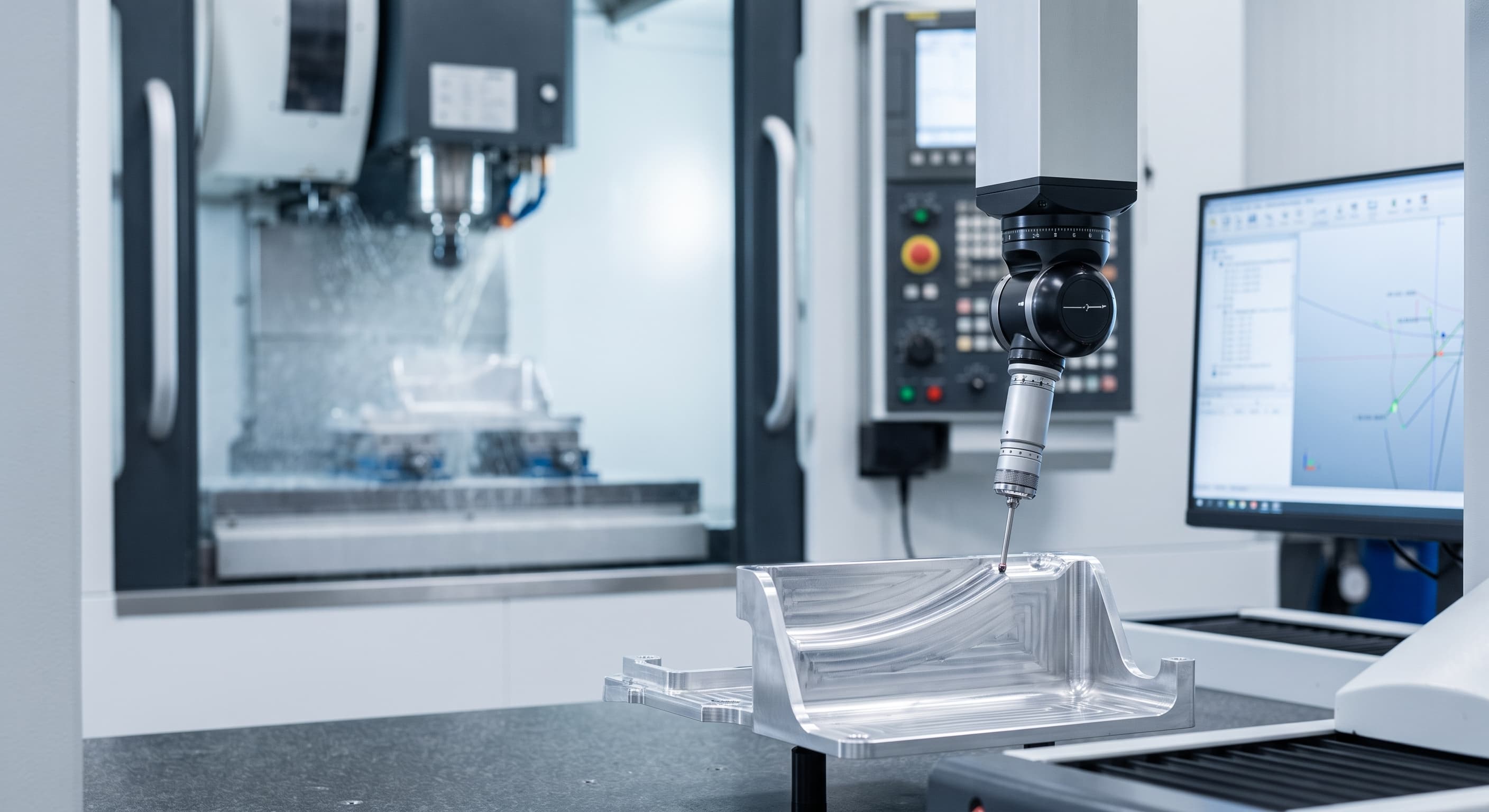
Figure 2: CMM Metrology Verification & High-Precision Multi-Axis CNC Profile Milling
3. CRASHWORTHINESS & MATERIAL SCIENCE: 6061 VS. 6082 FOR SIDE BEAMS
Side impact collisions represent the most hazardous scenario for EV battery packs due to minimal lateral crumple space. Aluminum battery tray perimeter beams act as primary protective crash boxes, requiring a precise metallurgical balance between high yield strength (to resist cabin intrusion) and high plastic elongation (to absorb kinetic energy via accordion folding rather than brittle fracture):
Features an optimal balance of tensile strength (≥290 MPa), yield strength (≥240 MPa), and excellent anodizing receptivity. Preferred for complex internal module crossbeams, bottom pack mounting runners, and multi-cavity protective brackets.
A manganese-enriched European automotive benchmark alloy with superior yield strength (≥260 MPa) and impact toughness. Designed specifically for external crash-resistant perimeter side sills, floor frames, and rail transit structural components.
At Yuebao Technology, our senior metallurgists and DFM engineers evaluate cross-sectional wall thickness distribution, radius-to-thickness ratios (R/t), and internal rib angles before die extrusion to guarantee predictable accordion-style energy absorption under severe lateral crash tests.
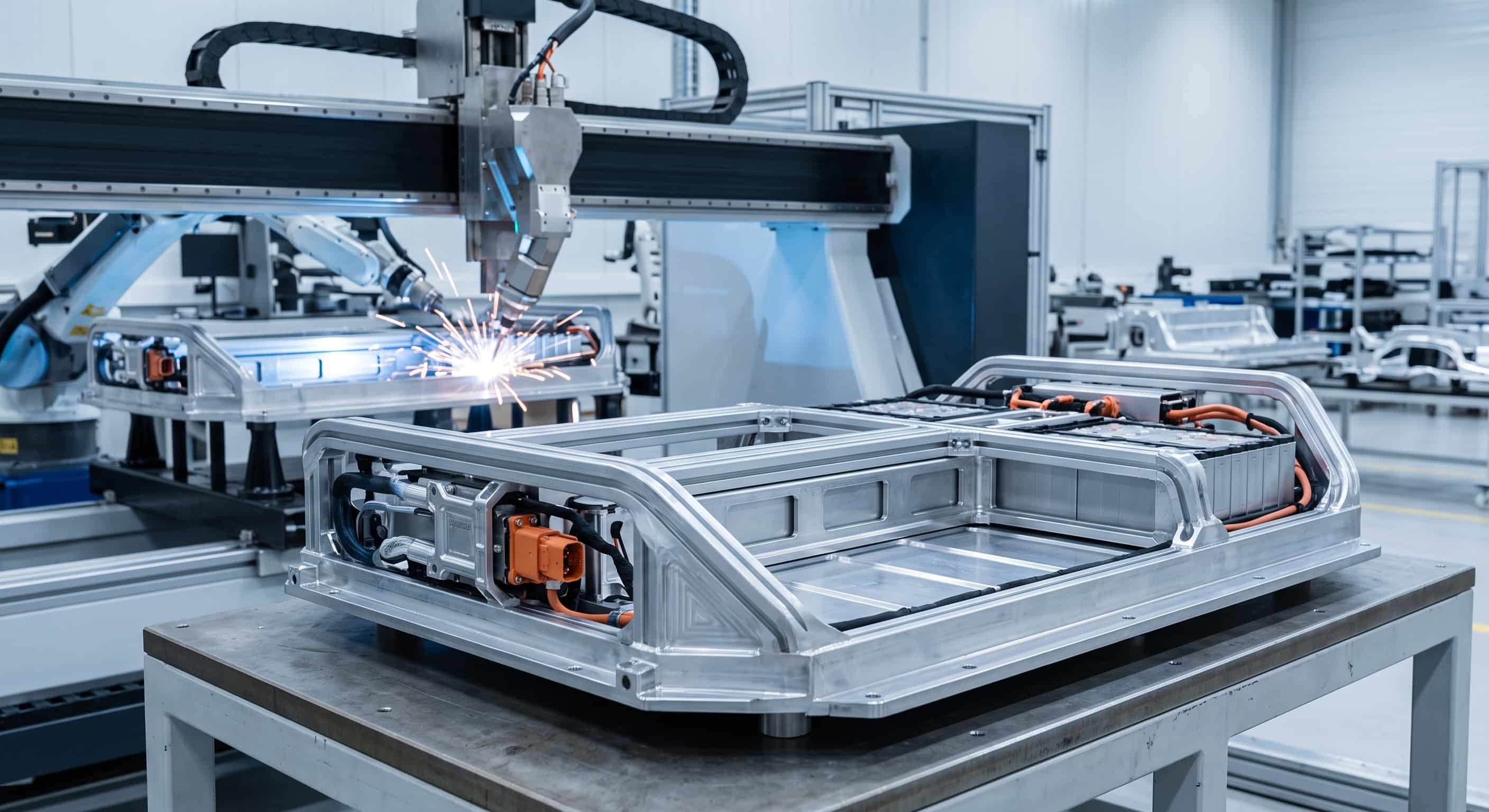
Figure 3: Modern Automotive Aluminum Fabrication Line & Complete EV Battery Tray Assembly
4. SOURCING FROM YUEBAO: AUTOMOTIVE-GRADE ONE-STOP FABRICATION
Headquartered in Nanhai District, Foshan City, Foshan Nanhai Yuebao Technology Co., Ltd. has dedicated nearly a decade to advanced aluminum profile deep processing, supporting Tier-1 automotive suppliers, EV battery manufacturers, and energy storage innovators worldwide:
Full-Process In-House Capability
From customized die extrusion, CNC stretch bending, and precision laser cutting to multi-axis CNC milling and surface anodizing, all fabrication steps remain under single-roof control, eliminating subcontracting delays and tolerance stacking.
Strict 23 QC Checkpoints
Operating under an ISO9001 certified quality system, our metrology lab deploys CMM 3D scanners, spectrometer alloy analysis, and hardness testers, consistently sustaining an automotive pass rate above 99.2%.
Rapid 3-Day Prototyping
We offer 24-hour dispatch for standard raw inventory profiles, fast 3-day sample delivery for CNC machined parts, 7-day small batch pilot production, and 15-day mass volume project delivery.
Tooling Protection & 90-Day Warranty
All custom bending dies, CNC fixtures, and extrusion tooling remain 100% customer property protected by formal NDA agreements. Backed by 7*24h rapid support and an industry-exclusive 90-day comprehensive warranty.
5. FREQUENTLY ASKED QUESTIONS (FAQ)
Q1: How does Yuebao prevent internal cavity collapse in multi-cavity battery tray profiles?
We utilize precision-engineered flexible internal mandrels made from high-density polyurethane and hardened spring steel segments. These mandrels are inserted into the hollow cavities prior to pulling, providing 360-degree internal support that prevents wall sinking and hollow distortion, keeping cross-sectional deformation strictly under 0.5%.
Q2: Can your bent aluminum profiles be directly used for Friction Stir Welding (FSW)?
Yes. Friction Stir Welding requires an extremely flat surface and tight joint gap (≤0.15mm). Following the stretch bending process, our 5-axis CNC machining centers mill the welding flanges and datum steps in a single clamping setup, guaranteeing zero gap clearance and eliminating welding defects or porous voids.
Q3: Which aluminum alloy is better for EV battery tray side sills: 6061 or 6082?
For components subject to severe crash impacts (such as vehicle perimeter side sills), 6082-T6 is widely preferred due to its higher yield strength (≥260 MPa) and superior energy absorption characteristics. For internal tray crossbeams and cooling plate assemblies, 6061-T6 offers excellent machinability, weldability, and structural rigidity.
Q4: How do you eliminate springback deviations across different production batches?
We control the full metallurgical chain. Every extrusion lot is monitored for chemical composition and mechanical hardness. Our CNC stretch bending machines feature dynamic closed-loop servo feedback that monitors real-time tensile force and automatically compensates for springback angles during pre-stretch and post-stretch cycles.
Q5: What file formats and design documentation are needed to initiate DFM analysis?
We accept standard 3D CAD models (STEP, STP, IGES) and 2D engineering drawings (PDF, DWG). Please specify bending radii, critical cross-sectional tolerance zones, wall-thickness callouts, and mating weld faces. Our engineering team returns a comprehensive DFM feasibility report within 24 hours.
Q6: What surface finishing options are available for outdoor automotive corrosion resistance?
We provide thick-film architectural/automotive anodizing (15–25μm, silver/black) passing 1,000+ hours of neutral salt spray testing (ASTM B117), as well as heavy-duty automotive powder coating, ensuring long-term resistance against battery electrolyte spills, road salt, and harsh outdoor environments.
Accelerate Your EV Battery Pack Structural Project
Designing lightweight aluminum battery trays, curved automotive side sills, or energy storage structural frames? Send us your 2D/3D CAD models today. Our senior automotive engineering team will provide a comprehensive DFM assessment and factory-direct quotation within 24 hours.