The Role of Pass Boxes in Medical Cleanrooms Electronic Interlocking and UV Sanitization

In the highly controlled environments of medical cleanrooms and pharmaceutical production, even the smallest particle or microbe can compromise product integrity. To combat this, the pass box (or pass through box) serves as a critical airlock for materials, ensuring seamless transitions between zones of differing cleanliness without allowing cross-contamination. By integrating advanced electronic interlocking systems and powerful UV light technology, modern pass boxes act as the unsung heroes of GMP (Good Manufacturing Practice) compliance.



Electronic Interlocking: Enforcing Discipline at the Door

The primary function of a pass box is to maintain the pressure cascade between cleanrooms. According to GMP standards, the pressure differential between rooms must be strictly controlled (typically 10-15 Pa) to ensure air flows from the cleaner area to the less clean area, preventing back-contamination. The electronic interlocking system is the mechanical enforcer of this rule.

Guaranteed Sequential Operation: The core principle of the interlocking system is simple: both doors cannot be open simultaneously. This “one-in, one-out” protocol forces users to close and secure the first door before the second can be opened. This simple mechanical logic prevents a catastrophic breach of the cleanroom’s pressure envelope.

Dynamic Pressure Control: High-frequency transfer points require a system that reacts instantly. A dynamic pass box utilizes sensors and fast-acting locks to manage the airflow. By ensuring the remains stable during transfers, the interlock protects the integrity of the entire facility, keeping contaminants locked out and sterile air locked in.


Ultraviolet Sanitization: The Invisible Sterilizer

While the interlock handles physical containment, the UV system handles biological decontamination. Surfaces of incoming materials are often the primary vectors for bacteria and viruses. The UV light inside the pass box neutralizes these threats before they enter the critical zone.

DNA Disruption for Total Kill: The UV light emits short-wavelength ultraviolet radiation that penetrates microorganisms and destroys their DNA/RNA. This process, known as ultraviolet germicidal irradiation, effectively sterilizes the surfaces of tools, packaging, and equipment placed within the chamber. It is a non-contact, chemical-free method that ensures items entering the sterile room are free of microbial life.

Safety and Automation: To protect personnel, the UV function is hardwired to the interlock. If either door is opened during a sanitization cycle, the light cuts off immediately. This safety feature allows for “set and forget” operation, where users can place items inside, close the door, activate the UV light, and return later to find fully sanitized materials ready for use in the cleanroom.
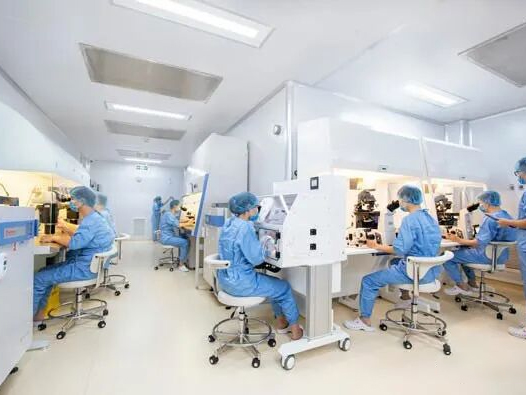


Stainless Steel Construction: The Ideal Canvas

The effectiveness of both the interlock and UV light relies on an environment that is easy to clean and resistant to corrosion. This is why stainless steel pass boxes are the industry standard.

Smooth Surfaces, No Hiding Spots: Stainless steel provides a non-porous, reflective surface that does not shed particles. Unlike painted or plastic surfaces, it can withstand harsh chemical disinfectants and repeated exposure to UV light without degrading.

Durability and Hygiene: The robust construction of a stainless steel pass box ensures longevity in high-traffic areas. Its resistance to rust and pitting makes it the perfect material for maintaining the hygienic barrier required in pharmaceutical and medical settings, supporting the overall goal of cleanroom pressure control.

By combining the fail-safe logic of electronic interlocks with the germicidal power of UV light, the pass box becomes an indispensable tool for maintaining a sterile, compliant laboratory environment.
READ MORE >

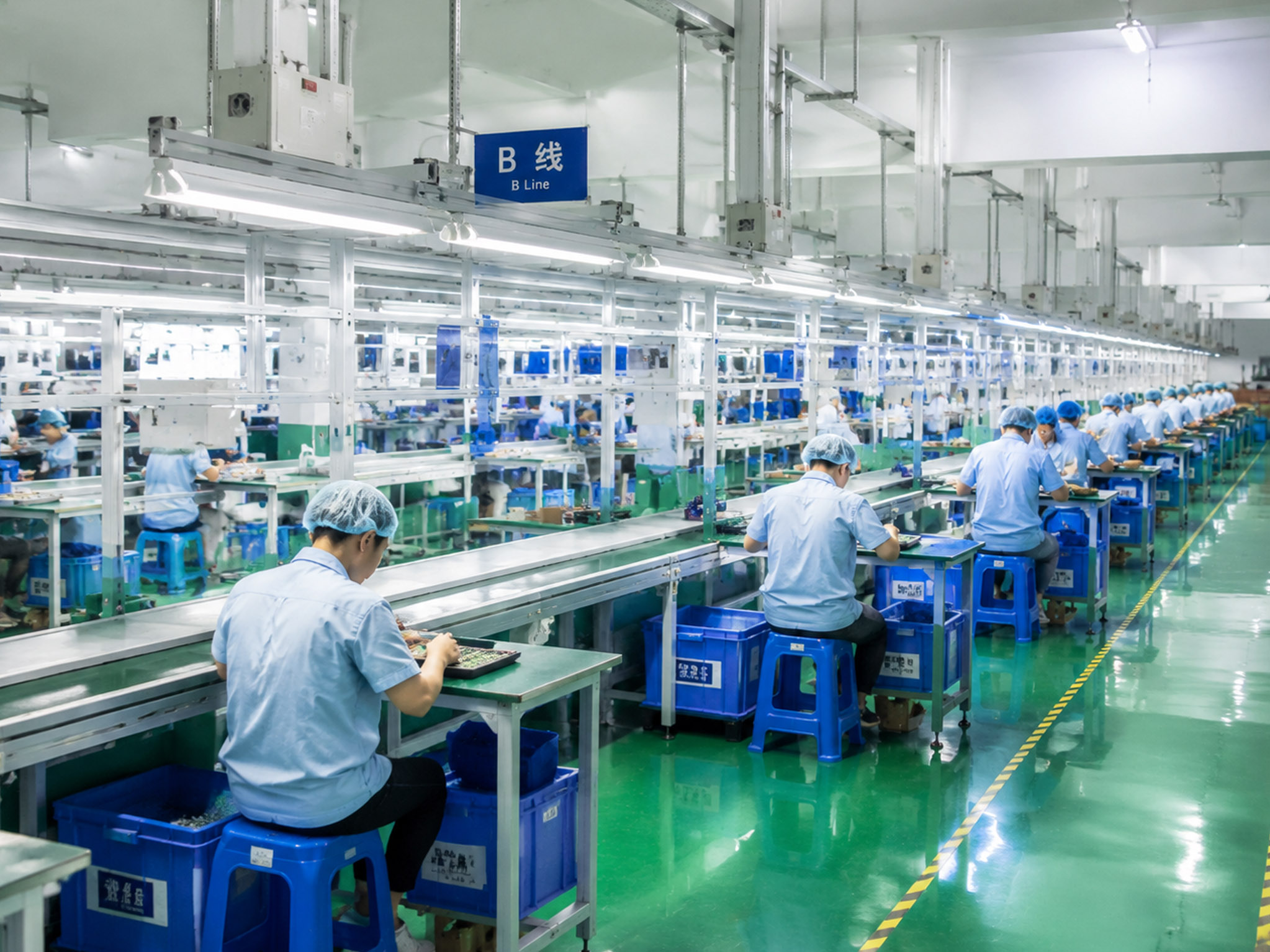
Why Electronic Factories Replace Pre-Filters Much Faster Than Office Buildings

If you’ve ever wondered why an electronic factory changes its air filters far more often than a typical office building, the answer lies in the vastly different air quality demands of each environment. The core reason is the dramatic difference in baseline dust concentration and the critical need for purity in industrial settings.


1. The Battle Against a Higher Dust Baseline

The fundamental difference starts with the environment itself. An office building primarily deals with common, low-level particulates, while an electronic factory contends with a much higher concentration of airborne contaminants.

  • Industrial vs. Commercial Environments: An office is a relatively clean, low-traffic environment. The main goal of its HVAC system is occupant comfort, filtering out things like skin cells, paper dust, and pollen. In contrast, an electronic factory is an active industrial environment. Manufacturing processes themselves can generate dust, and the sheer volume of air being moved to control temperature and humidity brings in more external contaminants. The baseline dust level is simply much higher from the start.
  • The Role of the Pre-Filter: In both settings, a primary filter or pre filter acts as the first line of defense. Its job is to capture larger particles to protect the more expensive and efficient filters downstream. In an office, this filter might last for months. In a factory, it’s fighting a constant, heavy battle against a high volume of dust, causing it to become clogged and reach its pressure drop limit much faster.


2. The High Stakes of Contamination Control

For an office, a slightly dusty vent is a minor housekeeping issue. For an electronics manufacturer, a single particle can be catastrophic. This difference in stakes dictates the maintenance schedule.

  • Protecting Sensitive Processes: Electronic components are incredibly small and sensitive. Dust particles can cause short circuits, interfere with microscopic circuits, or create defects during the manufacturing of semiconductors. This is why facilities like a semiconductor clean room or a cleanroom in semiconductor manufacturing have extremely strict air quality standards. The entire system, starting with the pre-filter, is designed to eliminate contaminants proactively.
  • Maintaining Cleanroom Integrity: The pre-filter is a crucial component in maintaining the required cleanliness level. If it becomes saturated, its efficiency drops, allowing more dust to pass through to the HEPA filters and, potentially, into the cleanroom itself. Frequent replacement of the primary air filter is a non-negotiable preventative measure to ensure the integrity of the entire cleanroom environment and protect valuable products from costly defects.


3. Airflow and Pressure: A Delicate Balance

Air filtration is not just about trapping dust; it’s also about managing airflow and pressure, which are critical for contamination control.

  • The Impact of a Clogged Filter: As a filter captures dust, it becomes more resistant to airflow. This resistance is measured as a pressure drop. A heavily clogged filter restricts the volume of air moving through the HVAC system. In an office, this might just mean the system works a little harder.
  • Critical Pressure Differentials: In a controlled environment, airflow is everything. A cleanroom often operates at a specific positive or negative pressure relative to its surroundings to prevent unfiltered air from leaking in or contaminated air from leaking out. This is known as the clean room pressure differential. A clogged pre-filter disrupts this delicate balance, compromising the room's ability to self-clean and maintain its sterile conditions. To ensure consistent airflow and pressure, these filters must be replaced on a strict, frequent schedule, long before they would be in a less critical commercial application.


READ MORE >

The Science of Survival Why 400°C Filters Are a Different Beast

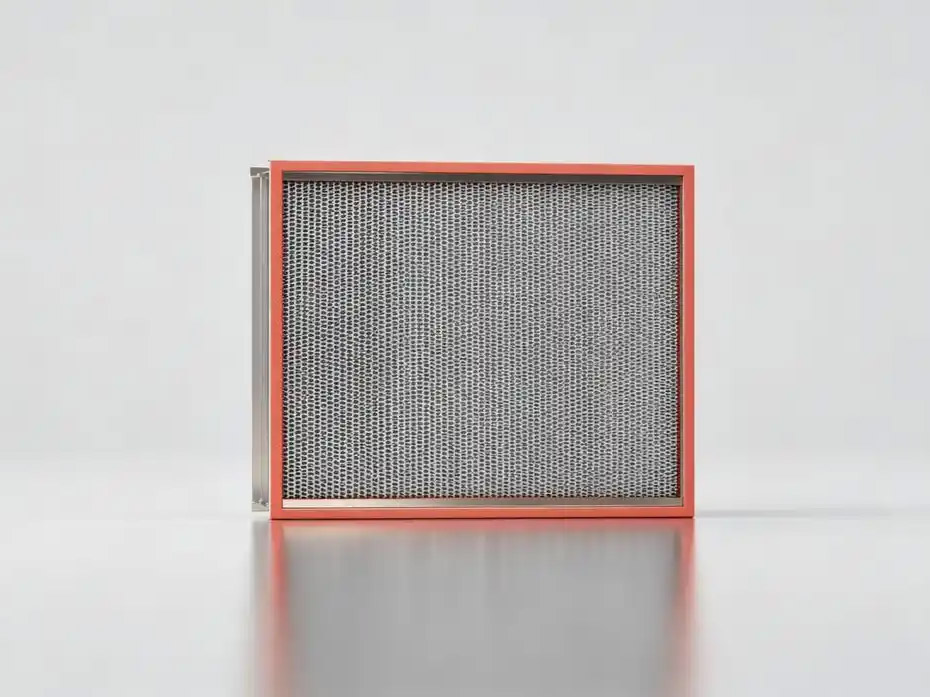
high temperature filters


In industrial manufacturing, particularly within baking lines and high-heat processes, maintaining air purity is just as critical as in a cleanroom. However, standard filtration solutions often crumble under extreme thermal stress. To achieve stability at 400°C, we must look beyond ordinary paper and embrace specialized material science.

Here is why standard filters fail and how high temperature filters made with specific materials ensure stability in baking lines.


1. The Breaking Point: Why Ordinary Filter Paper Fails

Ordinary filter media, typically made from wood pulp or standard synthetic fibers, is designed for ambient temperatures. When introduced to a baking line environment, the results are often catastrophic.

· Thermal Degradation: Standard cellulose fibers begin to carbonize and turn to ash well before reaching 200°C. At 400°C, they simply disintegrate, leading to immediate filter failure and potential downstream contamination.

· Binder Failure: The adhesives used to hold standard pleats together often melt or off-gas toxic fumes at high temperatures, compromising the structural integrity of the filter.

· Incompatibility: Unlike high temperature filtration solutions, ordinary paper cannot withstand the thermal expansion and contraction cycles of an industrial oven, leading to warping and leaks.


2. The Core Solution: Special High-Temperature Glass Fiber

The secret to surviving 400°C lies in the media itself. We utilize specialized high temperature glass fiber paper, which offers distinct advantages over traditional materials.

· Inorganic Stability: Glass fibers are inorganic and do not burn. They maintain their physical structure and filtration efficiency even when exposed to continuous temperatures of 400°C.

· Low Resistance: Despite their density, these specialized fibers are engineered to allow airflow with minimal resistance, ensuring the baking line's ventilation system operates efficiently.

· Durability: This media is resistant to chemical corrosion often found in industrial exhaust, making it a robust choice for harsh environments.


3. Sealing the Deal: High-Temp Adhesives and Baking Line Stability

A filter is only as good as its seal. In a 400°C environment, standard glues and gaskets will fail, allowing unfiltered air to bypass the media.

· Ceramic & Silicone Sealing: We employ high-temperature resistant sealants (often ceramic-based or high-grade silicone) that remain flexible and adhesive at extreme heat, preventing air leakage.

· Structural Integrity: The combination of high temperature glass fiber and robust sealing ensures the unit remains stable within the baking line, preventing vibrations or collapse.

· Longevity: These materials are designed for long service lives, reducing the frequency of maintenance shutdowns in critical production lines.

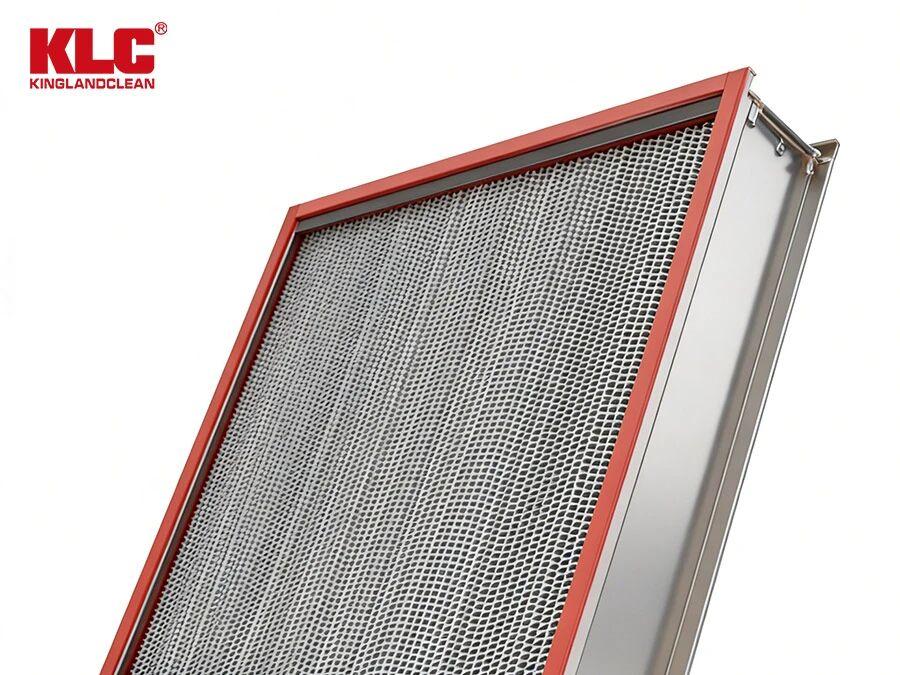
 High Temperature Filter


4.The Precision of High-Temperature Pleated HEPA Filters

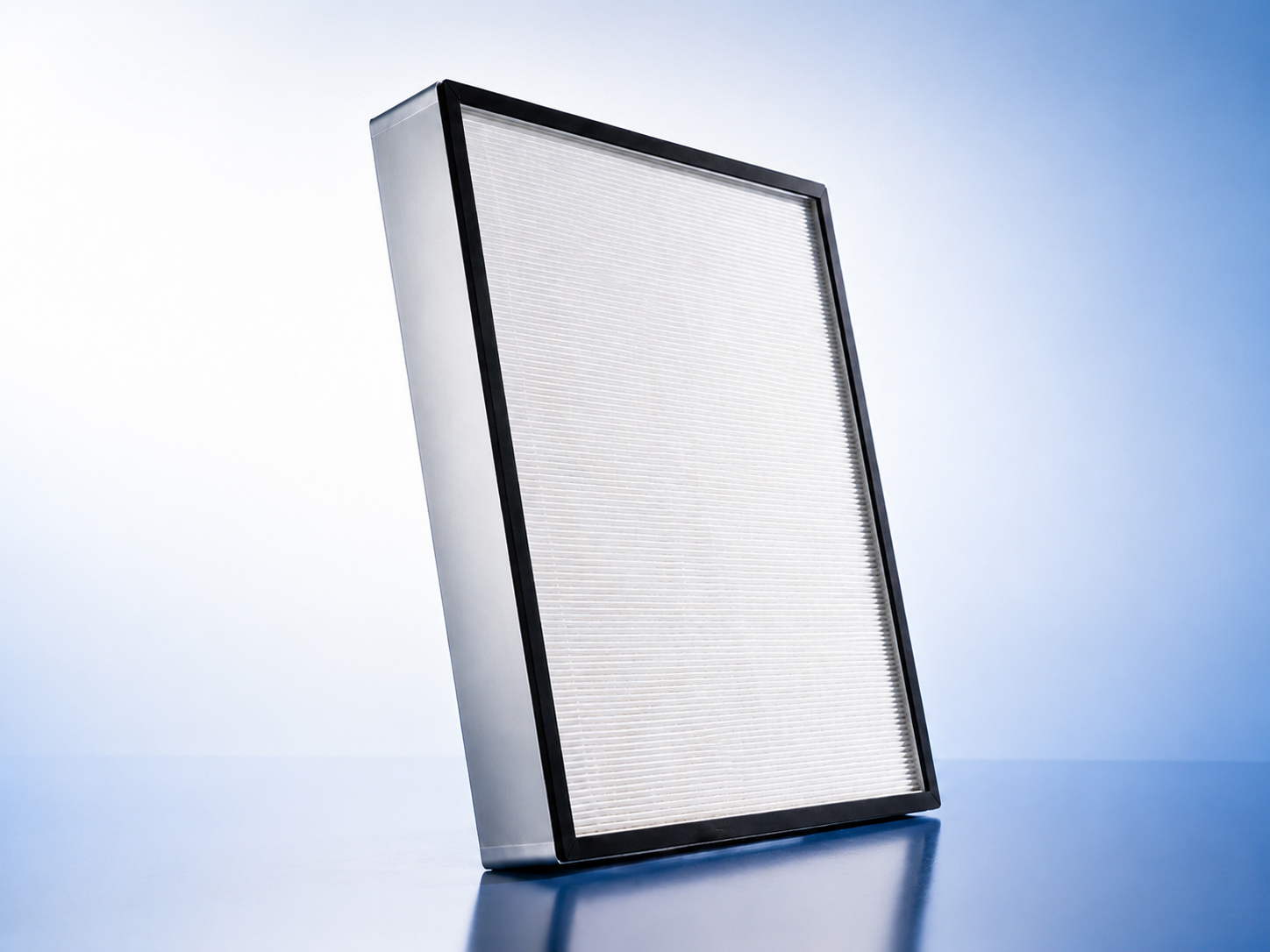
When a process demands both extreme heat resistance and the absolute purity of HEPA filtration, standard solutions are inadequate. The high temperature pleated hepa filter is engineered for this exact challenge, combining robust materials with precision engineering to ensure performance where others fail.

Unlike conventional filters, its core is constructed from specialized high temperature glass fiber, an inorganic media that maintains its structural integrity and filtration efficiency even when exposed to continuous temperatures up to 400°C. The pleated design is not merely for surface area; it is meticulously engineered to maximize airflow while minimizing pressure drop, a critical factor in high-temperature applications.

The true test of its resilience lies in its construction. These filters utilize high-temperature sealants, often ceramic-based, to create a perfect, leak-proof seal that prevents any bypass of unfiltered air. This ensures that even in the harshest thermal environments, the stringent standards of HEPA filtration are met without compromise, protecting sensitive processes and ensuring product quality.


For facilities requiring reliable air purification in extreme heat, upgrading to high temperature filters is not just an option—it is a necessity for safety and quality.


READ MORE >

Guide to Tosoh SKYPRENE Chloroprene Rubber Grades

In the high-performance elastomer market, Chloroprene Rubber (CR) is highly valued for its balanced resistance to oils, chemicals, heat, and weathering. However, selecting the precise grade for demanding industrial environments requires a deep understanding of its molecular modification and crystallization kinetics.

Tosoh Corporation’s SKYPRENE series stands out due to its advanced chlorination and polymerization technology. By manipulating molecular weight modifiers and crystallization rates, SKYPRENE offers a highly structured portfolio tailored for applications ranging from dynamic automotive parts to heavy-duty industrial adhesives.


1.The Chemistry: Manufacturing Process and Modifier Mechanisms

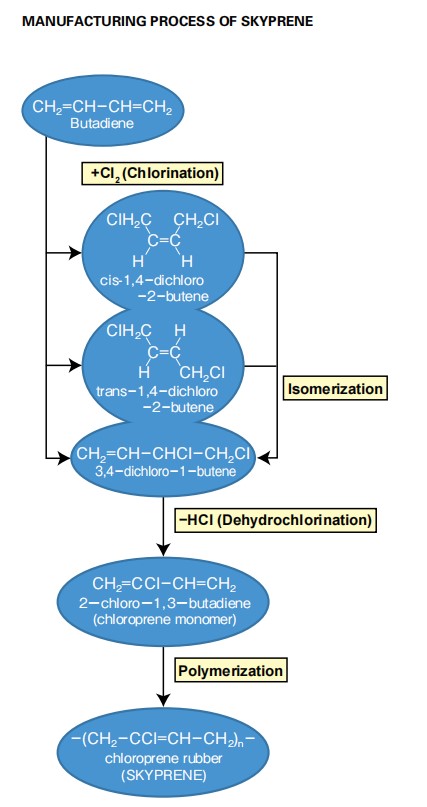
The excellence of SKYPRENE begins with its precise synthetic route. Butadiene undergoes chlorination to yield intermediate isomers (cis-1,4-dichloro-2-butene and trans-1,4-dichloro-2-butene), which are isomerized into 3,4-dichloro-1-butene. Dehydrochlorination then produces the core 2-chloro-1,3-butadiene (chloroprene monomer). The final performance of the rubber is determined during the polymerization stage by the type of modifier used:

Mercaptan-modified (SKYPRENE B-5): Molecular weight is tightly regulated using mercaptans. These grades exhibit excellent heat resistance, low compression set, and superior storage stability, making them the standard choice for mechanical goods.

Xanthogen-modified (TOSOH SKYPRENE E-20): Controlled via xanthogen disulfide, these grades provide exceptional tensile strength and superior extrusion/calendering processability, often blended with other polymers to optimize compound flow.

Sulfur-modified (SKYPRENE R-22): Polychloroprene chains are copolymerized with sulfur. Known for high tear strength and excellent metal adhesion, though they have lower thermal stability compared to mercaptan types.


2. Decoupling Crystallization Rate and Mooney Viscosity

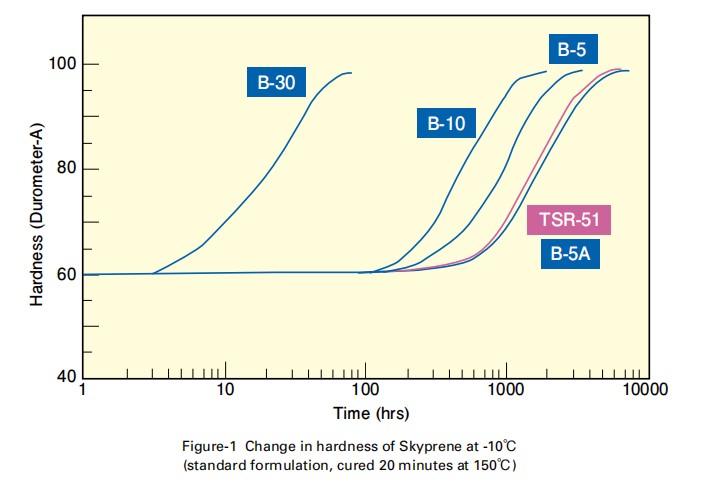
A critical factor governing CR behavior is low-temperature crystallization—a reversible phase transition where amorphous polymer chains align into crystalline domains, causing the rubber to harden at sub-zero temperatures (typically around -10°C).

As illustrated in Tosoh's grading matrix, SKYPRENE maps products across two dimensions: Crystallization Rate (from Fast to Slower) and Mooney Viscosity (ML (1+4) 100℃).

Fast Crystallization: Ideal for contact adhesives. Rapid crystallization ensures instant green strength and high cohesive bonding immediately after solvent evaporation.

Slower Crystallization / Crystallization-Resistant: By introducing structural irregularities during polymerization, chain alignment is inhibited. As shown in the hardness curve at -10°C, general grades like B-30 harden rapidly within 100 hours (reaching a Durometer-A hardness close to 100), whereas crystallization-resistant grades like B-5 and TSR-51 maintain their flexibility and baseline hardness even after 1,000 to 10,000 hours.


3. Industrial Case Studies

Case 1: Automotive CVJ Boots in Sub-Zero Climates (Dynamic Fatigue vs. Hardening)

The Challenge: An automotive OEM in Northern Europe reported premature failure of drive shaft CVJ boots during winter. The parts experienced severe cracking due to low-temperature embrittlement and dynamic fatigue.

The Solution: The technical team replaced the standard CR compound with SKYPRENE TSR-51 (a high-viscosity, highly crystallization-resistant mercaptan grade) combined with specific low-temperature plasticizers. Unlike B-30, which loses elasticity rapidly under winter conditions, TSR-51 suppressed low-temperature crystallization, allowing the boot to pass the grueling 1 × 10⁷ cycle dynamic flex test at -30°C.

Case 2: High-Performance Industrial Adhesives (Synergizing with PVB, PVA, and EVA)

The Challenge: A specialized solvent-based structural adhesive manufacturer required a balance between high green strength and prolonged open time without premature gelling.

The Solution: By selecting SKYPRENE G-40S (Fast Crystallization) as the polymer base, and micro-blending it with specific ratios of PVB (Polyvinyl Butyral) for toughness and EVA (Ethylene-Vinyl Acetate Copolymer) for open-time regulation, the formulation achieved optimized tack. Additionally, adding biocide stabilizers like DBNPA (2-2 dibromo-3-nitrilopropionamide) in water-borne CR latex counterparts ensured long-term shelf-life stability without affecting polymer crosslinking.


Website: www.elephchem.com

whatsapp: (+)86 13851435272

E-mail: admin@elephchem.com

READ MORE >

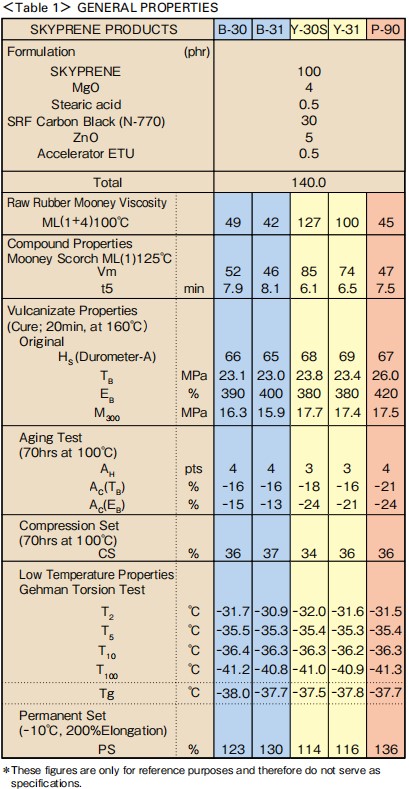
Skyprene General-Purpose Grades

In the demanding world of rubber manufacturing, selecting the right polymer is the cornerstone of product success. Skyprene general-purpose grades offer a versatile and high-performance lineup tailored for diverse industrial applications.

By leveraging raw rubber with high Mooney viscosity, these grades significantly enhance key mechanical properties, including modulus, tensile strength, and tear strength. Let’s dive into the unique characteristics of each grade to help you find the perfect match for your production needs.


Skyprene General-Purpose Grades

Type: Mercaptan-modified, general-purpose grade.

Key Features: Characterized by a medium rate of crystallization and moderate Mooney viscosity (49). It delivers an excellent balance of heat resistance, oil resistance, weather resistance, and outstanding storage stability.

Type: Low-viscosity variant of B-30 (Mooney viscosity: 42).

Key Features: Thanks to its lower viscosity, B-31 boasts superior fluidity and dimensional stability. It reduces heat generation (low calorification) during mill mixing, which stabilizes Mooney scorch and minimizes mixing issues.

Ideal For: Extruding, calendering, and injection molding.

Type: High-viscosity counterpart to B-30.

Key Features: With a high Mooney viscosity of 127, Y-30S allows manufacturers to incorporate large amounts of filler or oil, effectively driving down formulation costs. It can also be blended with other grades to improve processability.

Ideal For: Adhesives and heavy-duty rubber products.

Type: Low-viscosity variant of Y-30S (Mooney viscosity: 100).

Key Features: It retains the core benefits of the Y-series but offers significantly better processability and fluidity than Y-30S.

  • Skyprene P-90

Type: Xanthogen-modified grade.

Key Features: Engineered for demanding environments, P-90 provides high mechanical strength and high modulus. Its crystallization rate is slightly faster than the B-30 series.


Typical Industrial Applications

Skyprene general-purpose series is widely used in:

Automotive Parts: Hoses, seals, and anti-vibration rubber components.

Industrial Rubber Goods: Belts, rolls, and heavy-duty conveyor lining.

Electrical Infrastructure: Wire and cable jacketing requiring reliable weather and oil resistance.


Website: www.elephchem.com

whatsapp: (+)86 13851435272

E-mail: admin@elephchem.com

READ MORE >

Can a Laminar Flow Hood Replace a Clean Room in Cosmetic Filling Lines?

Starting a cosmetic factory in Guangzhou is an exciting venture, but the initial investment in infrastructure can be daunting. One question that frequently keeps founders up at night is: Can I use a Laminar Flow Hood (LAF) to save costs instead of building a full cleanroom?


The short answer is: It depends on your production scale and budget. While a Laminar Flow Hood (LAF) creates a "mini-environment" of ultra-clean air, it cannot physically replace the controlled atmosphere of a full cleanroom. However, for startups, combining a Softwall Clean Booth with FFU (Fan Filter Unit) often presents the most pragmatic "Turnkey" solution.


Let’s break down the cost structures and find the optimal path for your startup.


1. The Cost War: Localized LAF vs. Whole-Room FFU

When comparing costs, we aren't just looking at the equipment price; we are looking at the engineering required to maintain the environment.

  • The LAF (Laminar Air Flow) Approach:
    A Class 100 Vertical Flow Station or a Horizontal Clean Bench is significantly cheaper to purchase outright. However, this is a "local exhaust" solution. If your filling line is long, you will need multiple LAF Units, and the turbulence caused by operators moving around can easily compromise the Cleanliness Scale. You are paying less for equipment but more for operational risk.
  • The Modular Clean Room Approach:
    Building a full ISO 5 or ISO 7 room with FFU (Fan Filter Unit) requires a higher CapEx. You need Ceiling Suspended Laminar Air Flow systems and proper Clean Room Pressure Control. However, this provides uniform protection. For a small footprint (e.g., 20m²), the cost per square meter for a Portable Softwall Cleanrooms is surprisingly low, often ranging between $150 to $60idotm² depending on the ISO class.


The Verdict: If your budget allows for a Clean Booth, it is almost always better than relying solely on open-air LAF Hoods, as it contains the airflow and maintains better Clean Room Air Pressure.


2. The "Mini-Environment" Strategy for Startups

For a cosmetic startup in Guangzhou, going "all-in" on a full-scale cleanroom can drain your runway. The optimal strategy is to create a Mini-Environment within a controlled general workspace.

  • The Softwall Solution: Instead of hardwall construction, invest in a Softwall Clean Booth. These are essentially large tents made of clear PVC curtains. They are cheap, easy to install, and can be outfitted with FFU (Fan Filter Unit) to achieve Class 100 standards right at the filling point.
  • Targeted Filtration: Within this booth, use a Vertical Air Flow Clean Bench or a Downflow Clean Bench. This creates a Unidirectional Air Flow that sweeps particles away from the product.
  • Cost Efficiency: This setup utilizes the principle of "Low Energy Cleanrooms." You are not cooling or heating a massive volume of air; you are only conditioning the small volume inside the Clean Booth. This drastically reduces your HVAC load and ongoing electricity bills.


By focusing on the Critical Process Area (the filling machine) rather than the entire factory floor, you achieve the necessary hygiene standards without the massive overhead.


3. Building Your Turnkey Kit: Essential Components

If you decide to build a small, enclosed space for your filling line, here is the exact equipment list you should source, using the industry-standard terms found in procurement lists:

  • The Air Source: You will need FFU (Fan Filter Unit). Look for models with H14 HEPA Filters to ensure you meet the bacterial standards for cosmetics. Do not skimp on the filter grade; HEPA Filter Efficiency is non-negotiable.
  • The Structure: For the walls, Softwall or Clean Booth panels are ideal. They allow visibility and are much cheaper than acrylic (Hardwall) options.
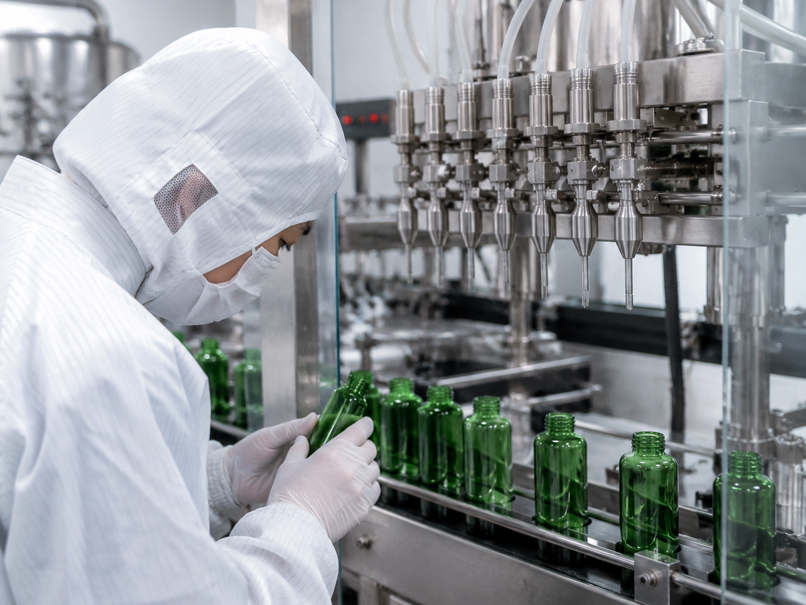
  • The Entry Point: You cannot have a cleanroom without a way to pass materials in without contamination. You must install a Pass Box (also known as a Pass Through Box). This is a small interlocked chamber that allows you to transfer bottles into the clean area without opening the main door.
  • Containment: If your process is dusty or involves chemicals, consider a Downdraft Table or a Dispensing Booth.


Pro Tip: When searching for suppliers, look for companies offering "Turnkey Modular Kits." These packages include the structure, the FFU (Fan Filter Unit), the lighting, and the Pressure Gauges all in one box, significantly reducing your installation headache.


Conclusion: The Balanced Path

While a standalone Laminar Air Flow (LAF) cabinet might suffice for a laboratory sample, it is too fragile for a production line. A full hardwall cleanroom is often overkill for a startup.

Your best bet is the middle ground: a Portable Clean Room or Clean Booth equipped with HEPA Filtered Air Showers (if personnel enter) and proper FFU (Fan Filter Unit). This Modular Approach gives you the sterility of a cleanroom at a fraction of the cost, allowing you to scale up your Clean Room Standards as your revenue grows.

READ MORE >

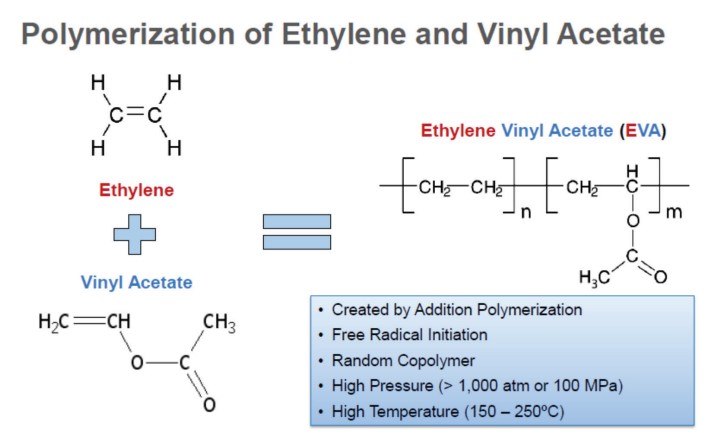
Production of EVA via the Autoclave-Process

The production of ethylene-vinyl acetate (EVA) copolymers via the autoclave process is a continuous bulk polymerization method. This process yields a flexible yet tough copolymer by combining ethylene gas with vinyl acetate monomer (VAM) under extreme conditions. The autoclave process is highly favored for the production of high-end EVA grades—such as high-VAM-content polymers used in solar cell encapsulants and hot-melt adhesives—due to its capability for precise control over molecular weight distribution and processing stability.


The Mechanical Anatomy of the Autoclave Process

The core of the Autoclave process lies in a thick-walled, violently agitated stirred-tank reactor operating at pressures typically between 1,500 and 2,500 bar. Unlike the predictable, one-way "plug flow" of a tubular reactor, an autoclave reactor creates a highly back-mixed environment.

Multi-Zone Temperature Control: Modern autoclaves are split into multiple thermal zones, allowing independent initiation and injection profiles.

Fouling Mitigation: The active mechanical agitator constantly sweeps the inner walls, which prevents high-viscosity, high-polar polymers from sticking to the reactor interior. This enables the safe production of specialty resins that would easily clog or foul a standard tubular loop.


Ultra-High Melt Index & High VA Content

While technical data sheets—such as the premium grade lines —are sometimes evaluated alongside tubular frameworks, these specific physical traits perfectly illustrate why the Autoclave process remains technically irreplaceable for high-end formulations.

  • High MI: Take grades like EVATHENE UE639-04 (with an incredible Melt Index of 1560 g/10min) or EVA UE19400 (400 g/10min). Synthesizing a polymer with such extreme fluid dynamics requires heavy doses of chain-transfer agents and precise pressure management. The Autoclave process handles this beautifully, delivering low-molecular-weight resins that melt quickly and wet surfaces rapidly.
  • High VA: Look at EVA UE4050 and LG EVA EA40055, which push the Vinyl Acetate content to a staggering 40.0%. At 40% VA, the ethylene crystallinity is almost completely disrupted. The melting point drops to a low 50°C, and the ultimate elongation reaches up to 1100%. This creates a highly amorphous, rubbery material with exceptional polarity and compatibility.


Diverse Applications of Autoclave EVA

A. Photovoltaic (PV) Encapsulation Film 

The solar industry demands absolute reliability. EVA sheets used to encapsulate solar cells require high optical transmittance, UV resistance, and excellent thermal stability. Autoclave EVA (typically with 28% to 33% VA content) offers the precise rheological control and low gel content necessary to ensure bubble-free lamination and long-term outdoor durability for solar panels.

B. Hot Melt Adhesives (HMA) 

For formulation chemists, autoclave EVA is gold standard. Its broad molecular... weight distribution ensures a wide service temperature window and excellent compatibility with tackifying resins and waxes. High VA grades from autoclaves provide the aggressive tack, flexibility, and strong substrate adhesion required in packaging, bookbinding, and automotive assemblies.

C. Wire and Cable Compounds

In the electrical sector, EVA is heavily utilized in halogen-free flame retardant (HFFR) cable compounds. The autoclave polymer's ability to accept extremely high filler loadings (such as aluminum trihydroxide or magnesium hydroxide) without sacrificing processability makes it critical for producing safe, flexible, and fire-resistant cabling.


Website: www.elephchem.com

whatsapp: (+)86 13851435272

E-mail: admin@elephchem.com

READ MORE >

Production of EVA via the High-Pressure Tubular Process

In the rapidly evolving landscape of polymer engineering, Ethylene-Vinyl Acetate (EVA) copolymers have emerged as a critical material driving global decarbonization and industrial upgrading. Particularly in the photovoltaic (PV) encapsulation and high-end packaging sectors, the demand for high-quality EVA is skyrocketing. To meet these stringent market requirements, High-Pressure Tubular Reactor Technology has established itself as the gold standard for large-scale, efficient, and high-performance EVA manufacturing.


How Tubular Technology Achieves Precision

Unlike conventional low-pressure polymerizations, EVA synthesis via the tubular route operates under extreme conditions—typically at pressures ranging from 2,000 to over 3,000 bar and temperatures between 150°C and 300°C. The tubular reactor acts as a long, high-pressure jacketed pipe (often exceeding 1 to 2 kilometers in length). The reaction mixture flows at an exceptionally high velocity as a "plug flow," ensuring excellent heat transfer through the reactor walls via cooling water jackets. Polymerization is initiated by injecting organic peroxides at multiple zones along the reactor, enabling tailored macromolecular architecture and continuous control.


Technical Specifications

Based on advanced high-pressure tubular technology, our premium portfolio offers distinct grades with finely tuned Vinyl Acetate (VA) content and Melt Index (MI) configurations, tailored for high-performance industrial applications.

The Photovoltaic & Encapsulation Pillar (28% - 33% VA)

For solar energy applications, polymer cleanliness and optical transparency are non-negotiable. High-pressure tubular grades such as EVA V3315 (HANWHA EVA 1834) and EVA V3345 (boasting a high VA content of 33.0%) along with EVA V2825 (28.0% VA) are tailored specifically for this purpose. 

  • Extreme Flexibility: As the VA content reaches 28% to 33%, the crystalline phase of the polyethylene is disrupted. This drops the melting point to a controlled 60°C - 71°C and pushes the ultimate elongation to an astonishing 800% to 900%. 
  • Zero-Defect Extrusion: Because the tubular process prevents polymer stagnation, these grades exhibit ultra-low micro-gel (fish-eye) content. This ensures flawless light transmission and eliminates the risk of localized hot-spots or electrical breakdowns in solar panels over their 25-year lifespan.  

The High-Strength & Extrusion Film Pillar (18% - 25% VA)

When applications demand mechanical integrity, structural toughness, and environmental resistance, the crystalline matrix must be preserved. This is where medium-VA tubular grades excel, represented by EVA V5120J (EVATHENE UE629)and EVA V1818 (18.0% VA). 

  • Mechanical Superiority: With a lower VA concentration, these grades maintain a higher melting point (80°C - 82°C) and higher hardness (80 - 85 Shore A). Most notably, EVA V5120J delivers a superior tensile strength of 12.0 MPa and a well-balanced melt index of 3.0 g/10min.
  • Downstream Versatility: These properties make them the ideal choice for premium agricultural cross-linked films, heavy-duty packaging, and high-end shoe foaming formulations where environmental stress crack resistance (ESCR) is critical.  


Modern tubular installations feature optimized, multi-zone single-pass conversion rates reaching up to 35% - 40%, which is significantly higher than older autoclave alternatives. Beyond product purity, the high-pressure tubular route is a champion of green manufacturing. The massive amount of exothermic reaction heat generated during free-radical polymerization is efficiently captured via the reactor’s cooling jackets. This heat is converted into high-pressure steam and reused to power the plant’s auxiliary systems and high-pressure compressors. This thermal integration drastically lowers the specific energy consumption and carbon footprint per ton of advanced polymer produced.  


Website: www.elephchem.com

whatsapp: (+)86 13851435272

E-mail: admin@elephchem.com

READ MORE >

Don't Let Dust Become the Short-Circuit Killer of Your Servers

In the high-stakes world of data centers, where uptime is currency and heat is the enemy, one silent assassin often goes unnoticed until it's too late: dust. While we obsess over cooling loads and power redundancy, microscopic particles floating in the air can silently degrade hardware, leading to overheating, corrosion, and catastrophic short circuits. Where the subtropical climate brings humidity and airborne contaminants, maintaining a pristine environment isn't just about comfort—it's about survival.

Let’s dive into the specific air filtration standards that stand between your servers and a costly meltdown.


The Air Quality Standard: ISO 14644 and the "Class 100" Mandate

The foundation of a healthy data center environment is governed by the ISO 14644 standard. This isn't just bureaucratic red tape; it's the scientific benchmark for how many particles are allowed to float in your server room. Specifically, data centers often operate under a Class 100 clean bench or Class 100 vertical flow stations specification.

  • The Particle Threshold: In a Class 100 environment (also known as ISO 5), the air must contain no more than 100 particles (0.5 microns or larger) per cubic foot of air. To put this in perspective, normal room air might contain 500,000 to 1,000,000 particles per cubic foot.
  • Why it Matters: If you allow dust to accumulate, it acts as an insulator on heat sinks and circuit boards. This forces fans to work harder, increasing energy consumption and wear. More dangerously, conductive dust can bridge electrical connections, causing a short circuit.
  • The Goal: The objective is to maintain a low energy cleanrooms environment where the hardware breathes easy, ensuring cleanliness scale in semiconductor manufacturing standards are met for your IT equipment.


The Engineering Solution: Unidirectional Airflow and Filtration

So, how do we achieve this level of purity? The answer lies in the physics of airflow and the deployment of high-efficiency filters. You cannot simply "clean" the air once; you must continuously scrub it.

  • Unidirectional Flow: The gold standard for server protection is unidirectional airflow. This means air flows in a straight, laminar path (either vertical or horizontal) from the ceiling to the floor, sweeping contaminants away from sensitive equipment. You will often see this implemented as vertical laminar air flow units or ceiling suspended laminar air flow systems.
  • The Filtration Hierarchy: Achieving this requires a layered defense:
  • Pre-Filters: These catch the big stuff (dust, hair) and are often nylon mesh pre filter or g3 filter elements. They protect the expensive filters downstream.
  • HEPA/ULPA Filters: To hit the Class 100 standard, you need HEPA filter or ULPA filter technology. These are typically housed in fan filter unit (FFU) modules installed in the ceiling grid.
  • Critical Components: Look for terminal hepa filter boxes at the final point of delivery. These ensure that the air hitting your servers is free of dust particles. For environments with chemical vapors (common in industrial Guangzhou), chemical filter unit for hvac systems might be necessary to remove corrosive gases.


Maintenance and Monitoring: The Ongoing Battle

Installing the right gear is only half the battle. Maintenance is where many data centers fail. A filter is only as good as its last inspection.

  • Pressure Drop Monitoring: One of the key metrics to watch is the hepa filter pressure drop. As a filter loads up with dust, the resistance to airflow increases. If the pressure drop gets too high, your fans will stall, and airflow will stop. Conversely, a sudden drop might indicate a leak or a filter leak test failure.
  • Regular Testing: You must conduct routine cleanroom dop testing (or PAO testing) to check for leaks in the HEPA housing. A pinhole leak can bypass the entire filtration system, allowing unfiltered air into the clean room.
  • Replacement Cycles: Do not wait for the fan to sound like a jet engine. Establish a schedule based on the g3 filter micron size loading rate in your specific Guangzhou location. Change pre-filter pocket replacement elements frequently to extend the life of the expensive deep-pleat HEPA cores.


In conclusion, protecting your data center from dust isn't about being "clean" for the sake of it; it's a hard-nosed engineering requirement. By adhering to clean room standards and utilizing the right air filtration technology, you ensure that your servers run cool, quiet, and free from the silent killer of short circuits.

READ MORE >

How to Choose Explosion-Proof & Corrosion-Resistant Cleanroom Equipment for Lithium Battery Plants

When it comes to manufacturing lithium batteries, the production environment is notoriously harsh. As an engineer or facility manager, you know that the air in a lithium battery plant isn't just dusty—it's filled with corrosive electrolyte vapors and potentially explosive dust particles.


So, why are the requirements for anti-corrosion and explosion-proof equipment so high in this industry? Simply put, standard HVAC and filtration units will fail quickly, leading to contamination and safety hazards. To maintain a cleanroom environment that meets both safety and quality standards, you need specialized equipment designed to handle chemical filtration and high-temperature conditions.


Here is a deep dive into the specific challenges and solutions for lithium battery plant air systems.


1. The Silent Enemy: Corrosive Gases in Electrolyte Preparation

One of the biggest challenges in a battery plant is the electrolyte preparation area. The chemicals used here release vapors that can eat away at standard metal components and filtration media. If your equipment isn't built to resist this chemical filtration demand, you'll face frequent breakdowns and contamination.

To combat this, you must look for specific material specifications in your air handling units (AHUs) and FFU (fan filter unit).

  • Stainless Steel is Key: Standard carbon steel will rust. You need components made from stainless steel, such as stainless steel air showers, stainless steel pass boxes, and stainless steel mesh air filters. These materials resist pitting and corrosion caused by acidic vapors.
  • Seal Integrity: It's not just the frame; the seals matter too. Look for units that specify hepa filter gel seal technology. This ensures that even at the microscopic level, there are no leaks where corrosive air can bypass the filter and attack the internal housing.
  • Specialized Media: Standard fiberglass media can degrade. For pre-filtration in corrosive areas, consider nylon mesh air filter or synthetic fiber air filter media, which offer better chemical resistance than traditional materials.


2. The Spark Risk: Why Explosion-Proof Design is Non-Negotiable

Lithium dust is highly combustible. In a confined cleanroom space, a single spark from a standard fan motor or an electrostatic discharge can lead to a catastrophic explosion-proof incident. Therefore, every piece of equipment must be certified to prevent ignition.

When sourcing equipment, pay close attention to the electrical components and housing design.

  • Intrinsically Safe FFU: The FFU (fan filter unit) is the heart of the cleanroom. You must specify explosion-proof rated FFU (fan filter unit). This often involves using sealed motors and static-dissipative materials in the fan filter unit for clean room applications.
  • Electrostatic Control: Beyond sparks, static electricity can attract contaminants. Electrostatic air filters or electrostatic air cleaners designed for industrial settings can help manage this charge, but they must be grounded properly to avoid becoming a spark source themselves.
  • Containment Strategies: For areas with high dust concentration, consider pass through box or pass box systems that maintain pressure differentials (cleanroom pressure differential) without requiring personnel to enter high-risk zones frequently.


3. Precision Filtration: Protecting Batteries from Micro-Contaminants

While safety is paramount, product quality is just as critical. Even microscopic metal particles or carbon air filter dust can cause internal short circuits in a battery cell. This is where high-precision HEPA filter and ULPA filter technology comes into play.

The goal is to achieve a low pressure drop while maintaining high efficiency to save energy without sacrificing air quality.

  • High-Efficiency, Low Energy: Look for deep pleat hepa filter designs. The deep pleats increase the surface area, allowing the filter to capture more particles without creating excessive resistance (low pressure drop hepa filter). This is crucial for maintaining the high airflow rates needed in lithium battery plant dry rooms.
  • Sealed Systems: The connection points are weak points. Use terminal hepa units with robust housings (hepa filter housing) to ensure that filtered air doesn't get re-contaminated before it reaches the workspace.
  • Custom Solutions: Every plant layout is different. You may need custom fan filter units or customized cardboard panel filter sizes to fit unique ductwork or ceiling grids, ensuring there are no gaps in your air filtration defense.


Conclusion

Outfitting a lithium battery plant requires a shift in mindset from standard cleanroom practices. By focusing on stainless steel construction, explosion-proof certification, and deep pleat high-efficiency filtration, you can create a safe, reliable, and contamination-free production environment.

READ MORE >