Comparison of Grafting Performance between CR244 and CR248

In the research and development and production of high-performance industrial adhesives, chloroprene rubber has consistently held a core position due to its excellent adhesion, aging resistance, and flame retardancy. However, with the increasing demand for synthetic materials (such as PVC, PU, and EVA) in modern industry, traditional adhesives face challenges such as poor wettability and mismatched polarity.

Among the many types of chloroprene rubber, Polychloroprene Rubber CR244 and Adhesive Type CR248 Chloroprene Rubber are two of the most representative products. Although they share many similarities in their basic physical properties, the differences in the critical dimension of "grafting performance" determine their ultimate performance in different industrial scenarios.


1. CR244: The Cornerstone of Rapid Crystallization and High Cohesive Strength

CR244 type chloroprene rubber is polymerized using diisopropyl xanthate disulfide or dodecyl mercaptan as a regulator, possessing extremely significant physical characteristics.


♣ Physical Characteristics and Performance Advantages

CR244's most prominent technical feature is its rapid crystallization. This characteristic allows the adhesive to quickly establish initial strength after application, greatly shortening the waiting time for industrial assembly. Its regular molecular structure gives the adhesive layer extremely high cohesive strength. At room temperature, the adhesive strength exhibited by CR244 is sufficient to meet the needs of most porous materials.

Its appearance is off-white or beige flakes, with a stable density of around 1.23. In terms of technical indicators, CR244 offers a very finely divided viscosity range. From the ultra-low viscosity CR2440 (13-24 mPa.s, 5% toluene solution) to the high-viscosity CR244B (above 140 mPa.s), this wide viscosity coverage allows adhesive manufacturers to precisely adjust the formulation solid content according to the needs of brushing, spraying, or scraping processes.

♣ Applications in Traditional Fields

Due to its peel strength typically maintained above 90 N/cm, CR244 is widely used in the self-adhesion and mutual adhesion of traditional materials such as rubber, leather, fibers, wood, and cement products. It is comparable in performance to top-tier international models, such as Denka's A series (such as Denka Chloroprene A-100) and DuPont's AD series (such as Neoprene AD-20), and is the preferred base material for producing high-quality general-purpose neoprene adhesives.


2. CR248: A Breakthrough in Polarity Achieved Through Graft Modification

If CR244 represents a general-purpose base material, then CR248 is an advanced version designed to address the challenges of bonding "difficult-to-bond materials." The fundamental difference between it and CR244 lies in the plasticity and grafting properties of its molecular chain.


♣ Core Technology: Grafting and Copolymerization

While CR248 retains the basic performance advantages of CR244, it has active sites reserved during the molecular design stage. This allows CR248 to undergo monomer grafting copolymerization with active monomers such as methyl methacrylate (MMA) and acrylic acid (BA) through chemical means.

The significance of this graft modification is that by introducing polar monomer side chains onto the non-polar main chain of neoprene rubber, the surface energy and polarity of the adhesive are significantly improved. This not only improves the wettability of the adhesive on polar substrates but also enhances the bonding force at the interface through chemical bonding.

♣ Professional Performance for Synthetic Materials

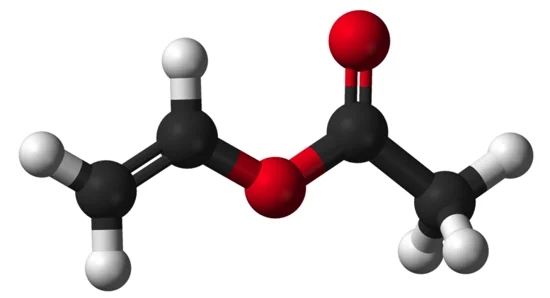
In modern footwear, automotive interiors, and luggage industries, synthetic materials such as PVC (polyvinyl chloride), PU (polyurethane), and EVA (ethylene-vinyl acetate copolymer) are widely used. Due to the high surface polarity or the presence of plasticizers in these materials, traditional CR244 adhesives often experience delamination.

CR248 is optimized precisely for this purpose. The modified CR248 adhesive can establish a stable bridging relationship with these synthetic materials. Although its nominal peel strength (approximately 70 N/cm) is slightly lower than that of CR244, its actual bonding stability and plasticizer resistance on specific polar materials far exceed the latter.


3. In-depth Comparison of Technical Parameters of CR244 and CR248

Differences in viscosity control: CR244 tends to exhibit its viscosity gradient at lower concentrations (5% toluene solution), which is more conducive to producing highly permeable primers. CR248's technical specifications are typically based on a 15% toluene solution, and it is divided into Type I (1000-3000 mPa.s) and Type II (3001-6000 mPa.s). This means that under the same viscosity requirements, CR248 can support formulations with higher solid content, thereby reducing the environmental impact of solvent evaporation and increasing the dry film thickness per application.


Volatile content and purity: Both products exhibit excellent purity control, with volatile content strictly controlled to below 1.5% (CR248 is further optimized to 1.2%). This ensures that the adhesive does not produce excessive bubbles during the drying process, guaranteeing the density and aging resistance of the adhesive layer.


Storage stability: Both products perform similarly in terms of storage requirements. They can be stored for one year at temperatures below 20°C, while in summer environments at 30°C, it is recommended to use them within six months. For manufacturers, strict temperature control is crucial to maintaining the activity of chloroprene rubber and preventing premature self-polymerization.


4. How to choose the right product based on your needs?

If the substrate is natural rubber, genuine leather, or wood products: CR244 is the preferred choice. It provides faster initial tack and higher ultimate cohesive strength, and the formulation cost is relatively more advantageous. For products requiring precise rheological control, its wide range of viscosity grades can be used for blending.

If modern synthetic materials such as PVC, PU, ​​and EVA are involved: CR248 is the ideal choice. Especially when your adhesive needs to be modified with MMA to produce "universal grafting adhesive," the grafting active sites provided by CR248 ensure the efficient progress of the chemical reaction, resulting in finished adhesives with excellent migration resistance and cross-material bonding capabilities.

Considering environmental protection and cost: CR248's high solid content characteristics help develop low-VOC adhesives that meet environmental standards. Although the unit price of the raw material may be slightly higher than CR244, its low rework rate and high-performance characteristics on difficult-to-bond materials often result in lower overall industrial costs.


Website: www.elephchem.com

Whatsapp: (+)86 13851435272

E-mail: admin@elephchem.com

READ MORE >

How Elvanol PVA Simultaneously Improves Weaving Efficiency and Finished Product Quality

In the textile industry, the sizing process directly determines weaving efficiency, yarn breakage rate, and the stability of subsequent processing. With the widespread adoption of high-speed looms, shuttleless looms, and environmental regulations, traditional sizing systems are gradually revealing limitations in terms of operability, recyclability, and overall cost. Due to its excellent film-forming properties, adhesion, and recyclability, Polyvinyl Alcohol (PVA) has long been a core material in textile sizing systems.

1. Core Performance Requirements of PVA in Textile Sizing

In the textile sizing process, the role of the sizing agent is not only to increase yarn strength but, more importantly, to maintain stable operation under high-speed weaving conditions. Ideal PVA sizing agents typically need to meet the following key requirements:

  • Good film strength and flexibility: Forming a uniform and continuous protective film to reduce yarn fuzz and improve abrasion resistance.
  • Moderate solution viscosity: Maintaining good fluidity even at high solid content, adapting to high-speed sizing.
  • Easy desizing: Effectively removable at lower temperatures and water consumption during the finishing stage.
  • Low foaming and low corrosiveness: Reducing equipment maintenance frequency and improving continuous production stability.

Elvanol series of PVA (such as Elvanol 75-15 Polyvinyl Alcohol) , through optimization of molecular structure and viscosity grades, allows different models to precisely match the above requirements.

2. Practical Advantages of Elvanol T Series in High-Speed ​​Weaving

In textile applications, PVA Elvanol T-25 and Elvanol T-66 are typical PVA grades specifically developed for sizing processe.

Elvanol T-25

This product is a low-foaming copolymer polyvinyl alcohol, widely used for warp sizing of polyester-cotton blended yarns and other short-staple yarns. Its main advantages include:

Maintaining good weaving performance even in low-humidity environments, reducing downtime.

When compounded with starch, it can significantly reduce the overall sizing amount, reducing loom shedding.

Not prone to mildew and non-corrosive, facilitating long-term stable operation of equipment.

Can be desized directly with hot water, without relying on enzyme preparations, reducing operating costs.

In actual factory applications, T-25 is often used in traditional sizing systems that prioritize stability and versatility.

Elvanol T-66

Compared to T-25, T-66 has a lower solution viscosity and is specifically designed for medium-to-high pressure sizing machines and high-speed shuttleless looms:

It maintains good fluidity even at high solid content, suitable for high-speed sizing.

It offers excellent yarn separation, enabling a "100% PVA" formulation to improve weaving efficiency.

It is easier to desize, allowing for effective cleaning at lower temperatures and water flow rates.

The low viscosity of the recovered sizing solution facilitates the operation of ultrafiltration recovery systems.

For modern textile enterprises pursuing high productivity and high recovery rates, T-66 offers significant advantages in overall cost control.


3. The Value of PVA in Desizing and Sustainable Production

With increasingly stringent environmental regulations, the recyclability of sizing agents and wastewater load have become important considerations for textile companies. Compared to some natural or modified starch sizing agents, PVA offers advantages in the following aspects:

  • Low BOD/COD characteristics: Helps reduce wastewater treatment pressure.
  • Recyclable and reusable: PVA recovered through ultrafiltration systems can be reused for sizing.
  • Stable solution performance: The recovered sizing solution has low viscosity and is easy to pump, facilitating continuous production.


Elvanol series of PVA was designed with industrial recycling and reuse scenarios in mind, ensuring that it not only meets process performance requirements but also aligns with the long-term goals of water conservation, emission reduction, and cost reduction in the textile industry. The Elvanol series of polyvinyl alcohol provides reliable options for different types of looms and yarn systems through its differentiated viscosity design, excellent film-forming properties, and good desizing and recycling characteristics. Choosing the appropriate PVA grade can not only improve weaving efficiency but also significantly reduce overall costs in the long run.


Website: www.elephchem.com

Whatsapp: (+)86 13851435272

E-mail: admin@elephchem.com

READ MORE >

What Makes Phenolic Resin a Top Engineering Choice?

Compared to thermoplastic resins, thermosetting resins are fewer in type and quantity, and often play a "supporting" role. The first synthetic resin ever manufactured by humans was called phenolic resin. Phenolic resin is a thermosetting resin with good balanced properties and is currently sold in the form of laminates (where the resin and base material are interwoven). Phenolic resin continues to play an active role in advanced materials and other unique fields, and can be said to be a resin that influences and supports our daily lives.


Bakelite


1. What is Phenolic Resin?

Overview of  Phenolic formaldehyde resin

Bakelite is a thermosetting resin known as phenolic resin (Bakelite Phenolic Resin). In industrial applications, it is a thermosetting sheet material applied to paper and fabric. It is also used in adhesives, coatings, electrical insulation materials, and other applications. Its raw materials are phenol and formaldehyde. By mixing these raw materials with acidic or alkaline catalysts and necessary curing agents and heating them, phenolic resin with a three-dimensional network structure can be produced. As a relatively inexpensive thermosetting resin, phenolic resin has excellent heat resistance, strength, and electrical insulation properties, and has been applied to various fields to date. With the emergence of thermoplastic resins, its application areas have gradually changed, but it continues to evolve in its own way to meet new market demands. To this day, various applications are still being developed to fully utilize the unique properties of phenolic resin, and its application areas are expected to continue to expand.


History of Phenolic Resin Development

Phenolic resin was discovered in 1872 by a German chemist during research on phenolic dyes; in 1907, a Belgian-American chemist patented the manufacturing method. In 1910, Baekeland established a phenolic resin company to achieve industrial production of phenolic resin and named the product "Bakelite" after himself. This name is still used today.


Types of Phenolic Resin

Currently, phenolic resin is generally not circulated as the resin itself, but in the form of laminates made by mixing the resin with a base material (paper or fabric). The manufacturing method involves coating each substrate with resin and then curing it through heat treatment. Laminates with paper as the base material are called "bakelite paper," and those with cloth as the base material are called "bakelite cloth." The characteristics of each product are as follows:

  • Phenolic Paper

Phenolic paper is a product made by interweaving phenolic resin with paper. It is cheaper (approximately half the price) and lighter than phenolic cloth. Phenolic paper is recommended for electrical insulation applications. However, it should be noted that since the base material is paper, it has high water absorption.

  • Phenolic Cloth

This is a phenolic resin with cloth as the base material. Compared to phenolic paper, it has superior mechanical properties and is therefore often used in applications requiring high strength. On the other hand, like phenolic paper, this base material also has high water absorption, so it must be used in environments with low moisture content.


2. Characteristics of Phenolic Resin

Advantages of Phenolic Resin

  • High Heat Resistance

Phenolic resin is a thermosetting resin, which means it has strong heat resistance. It can withstand temperatures up to 150-180°C and maintain its strength even under high-temperature conditions.

  • Excellent Electrical Insulation Performance

Phenolic resin has high electrical insulation performance, so it is used as an insulating material in printed circuit boards, circuit breakers, and switchboard coatings.

  • High Mechanical Strength

High mechanical strength is also a major advantage of phenolic resin. In particular, phenolic cloth has higher strength than phenolic paper, so phenolic cloth is often used in applications requiring impact resistance. However, it should be noted that the strength is affected by the fiber direction in the base material (paper and cloth).

  • Suitable for Injection Molding

When processing phenolic resin as a resin monomer, it can be processed using the same injection molding method as thermoplastic resins. The phenolic resin is heated to a temperature that does not cause hardening (approximately 50°C), then injected into a mold, and then heated to 150-180°C to cure it.


Disadvantages of Phenolic Resin

  • Difficult to Recycle

Phenolic resin is a thermosetting resin, and once cured and molded, it cannot be remolded, making recycling difficult. Currently, companies such as Sumitomo Bakelite Co., Ltd. are advancing research on the recycling and reuse of phenolic resins.

  • High water absorption

Phenolic resins sold in laminate form contain paper or cloth as a base material. Therefore, they have high water absorption and are not suitable for use in wet environments or environments with high humidity.

  • Low weather resistance and susceptibility to alkaline solvents

Phenolic resins are sensitive to ultraviolet radiation and must be used with caution outdoors. In addition, phenolic resins are easily soluble in alkaline substances.


3. Main Uses of Phenolic Resins

Since its industrial production began in 1907, phenolic resin has been widely used in everyday products around us, such as tableware, kitchenware, buttons, clocks, and clothing accessories. However, with the invention of various thermoplastic resins such as nylon and fluororesins, some applications of phenolic resin have been replaced by thermoplastic resins due to considerations of moldability and cost. Nowadays, the direct molding and processing of phenolic resin itself is gradually decreasing. However, phenolic resin still has a wide range of applications due to its unique properties. For example, phenolic resin, leveraging its excellent electrical insulation properties, is used in printed circuit boards, distribution panels, and circuit breakers. Printed circuit boards are not only essential materials for IT equipment such as personal computers and tablet computers, but also indispensable components in modern electrical products. Therefore, it is no exaggeration to say that phenolic resin can be applied to all areas of electricity use. In addition, it can be used as an adhesive, shell molding material, and coating. For example, phenolic resin is used as an adhesive in sand molds for casting and materials for 3D printers. Furthermore, its solubility in alkaline substances and its ability to absorb light at wavelengths of 200-300 nm make it suitable for use as a photoresist material. It is also widely used as a high-performance material in other fields, such as metal replacement parts, negative electrode materials for lithium-ion batteries, and activated carbon raw materials in the pharmaceutical industry. In 2010, the space capsule that returned samples from the asteroid "Itokawa" also used phenolic resin as a heat insulation material.


Phenolic resin, also known as Bakelite, was the world's first synthetic resin, developed over 100 years ago. It is a relatively inexpensive thermosetting resin with excellent heat resistance, strength, and electrical insulation properties, and offers a balanced performance profile. It is generally not marketed as the resin itself, but rather in the form of laminates made by mixing the resin with a base material (paper or cloth). Advantages of phenolic resin include excellent heat resistance and electrical insulation, high strength, and processability through injection molding. On the other hand, phenolic resin also has disadvantages such as difficulty in recycling, high water absorption, and susceptibility to ultraviolet radiation. Currently, phenolic resin is widely used in various fields, including printed circuit boards, switchboards, adhesives, coatings, photoresist materials, and negative electrode materials for lithium-ion batteries. Further advancements in its application areas are expected in the future.


Website: www.elephchem.com

Whatsapp: (+)86 13851435272

E-mail: admin@elephchem.com

READ MORE >

Defoamers in Water Treatment Improving System Stability and Efficiency

Foam is a frequent challenge in water treatment systems, especially in aeration tanks, biological treatment units, sludge handling, and industrial effluent processes. Excessive foam not only disrupts oxygen transfer and microbial activity but also leads to equipment overflow, pump cavitation, and reduced treatment efficiency. To maintain smooth operation and meet discharge standards, the use of effective defoamers is essential.


In biological wastewater treatment, foaming often results from surfactants, organic compounds, and filamentous bacteria. A suitable defoamer helps rapidly break surface bubbles, suppress second-generation foam, and keep aeration systems stable. In sludge dewatering and chemical dosing stages, defoamers improve separation efficiency and help prevent foam-induced delays or equipment contamination. For high-COD industrial wastewater—such as textile, pulp & paper, and chemical plants—defoamers support continuous, safe, and compliant operation.

Modern water treatment increasingly demands solutions that work in high-temperature, high-alkalinity, or biosensitive environments. As a result, low-toxicity, fast-spreading silicone and polyether formulations are widely favored. Selecting the right defoamer depends on foam cause, water quality conditions, and system dynamics. A well-designed foam control strategy not only improves treatment stability but also lowers chemical and maintenance costs over the long term.

Why Choose Rickman Defoamer for Water Treatment

Rickman defoamers are formulated to perform in complex water environments, offering fast foam-knockdown, long-term suppression, and good compatibility with biological processes. From biological aeration to industrial effluent and sludge handling, our product line provides options that minimize surface tension quickly without interfering with microbial activity or treatment chemistry.

In addition to high-performance products, Rickman is committed to delivering professional service and technical support. Our team provides tailored product recommendations, on-site guidance, and rapid response assistance to help customers optimize foam control strategies and improve system efficiency. With reliable supply capability and experience across diverse applications, Rickman supports stable and sustainable water treatment operations.


Click on the related products links:RK-500P(Polyether Defoamer For Paper Industry)/RK-1215A(Water-based Silicone Antifoam Agent

READ MORE >

Enhancing Pulp, Paper, and Concrete Production with Advanced Defoamer Solutions

In both the pulp & paper and concrete industries, foam control plays a crucial role in maintaining process stability and final product quality. Excessive foam can interfere with pulp washing, coating, or cement mixing, leading to production inefficiencies, material waste, and compromised surface finishes. Selecting the right defoamer ensures a smoother operation, higher yield, and consistent results across all production stages.


In the pulp and paper industry, foam forms easily during processes such as washing, bleaching, and paper coating. Persistent foam traps air, affects drainage, and weakens the uniformity of the paper sheet. A well-formulated defoamer rapidly breaks surface bubbles, disperses entrained air, and stabilizes production efficiency without leaving oil spots or affecting brightness.

In the concrete and building materials industry, controlling air content is equally important. Excess foam during concrete mixing can reduce density, compromise strength, and create visible surface defects. High-performance defoamers help eliminate unwanted air, improve flow and compactness, and ensure a uniform, durable finish suitable for demanding construction environments.

Rickman defoamers deliver consistent, effective foam control for both pulp and paper processing and concrete applications. Designed for long-lasting stability and compatibility with various formulations, Rickman products improve efficiency while reducing maintenance costs. Beyond products, Rickman offers tailored technical support, on-site troubleshooting, and application-specific optimization to ensure every customer achieves optimal results.


Click on the related products links:RK-0036(High Antifoaming Defoamer Compound)/RK-5DS(High Antifoaming Performance Pulp Antifoam

READ MORE >

Foam Control Matters in the Construction Industry The Role of Defoamers

Foam formation is a common challenge in cement, mortar, concrete admixtures, and other construction chemicals. Mechanical mixing, surfactants in additives, and polymer-rich formulations often trap air, leading to persistent foam. In construction, this is more than a visual problem—excessive foam can weaken concrete strength, reduce bonding performance, and cause uneven surfaces or pinholes in coatings and sealants.


In cementitious systems and polymer-modified building materials, stable foam can reduce compressive strength and durability. It may also disrupt workability, making pumping and application inconsistent. To maintain smooth flow, proper compaction, and reliable surface finish, many manufacturers introduce high-performance defoamers into their formulas.

A well-designed construction defoamer helps release entrapped air quickly, improves density, and supports uniform curing. Silicone, mineral-oil, and polyether-based defoamers are commonly used depending on system pH, viscosity, and interaction with other additives. For construction materials like plaster, putty, waterproof coatings, and repair mortars, compatibility and long-term stability are essential. An effective defoamer ensures consistent texture, reduced defects, and improved performance throughout production and application.

Rickman defoamer solutions are designed for modern construction systems. Our defoamers offer balanced foam-breaking and foam-suppression functions without affecting material flow or mechanical strength. Rickman also delivers technical evaluation, formula guidance, and tailored recommendations to help partners optimize performance in real construction environments. From product selection to after-sales support, we work closely with customers to ensure consistent quality and efficiency in every batch.


Click on the related products links:RK-1210S(High efficiency Water Based Defoamer)/RK-600P(High Efficiency Cement Antifoam

READ MORE >

Foam Control Solutions for the Oil & Gas Industry

Foam-related challenges are common throughout oil and gas operations, from drilling and cementing to production and refining. Surfactants in drilling fluids, high agitation in mixing systems, and gas entrainment during circulation often create persistent foam. If unmanaged, foam can reduce mud density, disrupt pump efficiency, and interfere with solids control equipment—ultimately increasing operational costs and safety risks.


In drilling and completion fluids, foam may also trap air and gas, affecting pressure stability and inhibiting proper lubrication and cooling. During cementing, uncontrolled foam can lead to inconsistent slurry density, reduced compressive strength, and poor zonal isolation. In amine gas treating units, excess foam contributes to reduced absorption efficiency, higher amine losses, and unplanned downtime. Because of these factors, reliable defoamer performance is essential to keeping processes stable and efficient.

Modern oilfield operations require defoamers that perform under demanding conditions. Silicone, polyether, and specialized non-silicone formulations are used to rapidly break surface foam and prevent reformation under shear. Compatibility with high temperatures, salinity, and complex fluid chemistries is also critical. A well-selected defoamer helps maintain fluid integrity, improves separation efficiency, and supports smoother production and refining processes.

Rickman defoamer solutions are engineered for oil and gas applications, offering fast response and long-lasting suppression across drilling muds, cement slurries, fracturing fluids, and amine systems. Our team provides technical support, sample evaluation, and tailored recommendations based on real operational environments. Beyond product supply, Rickman works closely with partners to optimize performance, reduce chemical consumption, and improve operational reliability from wellsite to processing plant.

Click on the related products links:RK-30C(Excellent Stability Water-Based Defoamer) /RK-700P(High Effective Fermentation Antifoam
READ MORE >

How to Optimize Paper Mill Stability A Guide to Defoamer Applications

Foam formation is a common challenge in the paper industry, especially during pulping, stock preparation, and wet-end operations. High levels of surfactants from recycled fibers, sizing agents, and process chemicals often lead to persistent foam, which can affect drainage, sheet formation, and overall machine efficiency. Without proper control, foam may cause overflow, reduced production speed, and quality defects in finished paper.


In practical paper mill operations, defoamer performance depends heavily on system conditions. For example, in wet-end white water circulation systems, adding around 0.05% of a polyether-based defoamer can help suppress foam continuously under 48–72 hours of high-load operation, while maintaining stable paper strength and surface quality. In stock preparation stages with higher shear forces, silicone-based defoamers are often preferred for their rapid foam-breaking capability and resistance to mechanical stress.

Different defoamer types serve different needs in papermaking. Silicone defoamers typically offer fast knockdown and strong persistence, making them suitable for high-temperature or high-shear systems. Polyether defoamers, on the other hand, are valued for their compatibility with sizing agents and minimal impact on paper appearance, especially in fine paper and tissue production. Selecting the right defoamer requires balancing foam control efficiency with system compatibility and final product requirements.

Rickman defoamer solutions are developed with these real operating conditions in mind. Beyond supplying a wide range of defoamer chemistries, Rickman works closely with paper mills to evaluate process parameters, recommend suitable formulations, and adjust products based on on-site feedback. With stable supply capability, technical support, and application-driven service, Rickman helps paper producers achieve consistent foam control and smoother long-term operations.


Click on the related products links:RK-50P(Highly Efficient Polyether Ester Antifoam)/RK-203(Mineral Oil-based Defoamer


FAQ

Q1: How do I choose between silicone and polyether defoamers for my paper mill? 

A: Selection depends on the specific process stage. Silicone defoamers are ideal for pulp washing and high-shear areas due to their rapid foam-breaking speed. Polyether defoamers are better suited for the wet-end and fine paper production, as they offer excellent compatibility with sizing agents and won't cause "oil spots" on the finished sheet.

Q2: What is the recommended dosage of defoamer in white water systems? 

A: While dosage varies by system load, a common starting point for high-efficiency polyether-based defoamers is approximately 0.05% of the total flow. We recommend conducting a jar test to optimize the dosage based on your specific surfactant levels.

Q3: Can defoamers affect the sizing efficiency or paper strength? 

A: When used correctly, high-quality defoamers like Rickman’s formulations are designed to have minimal impact. In fact, by removing entrapped air, they often improve drainage and sheet formation, which can indirectly enhance the physical strength properties of the paper.

Q4: Are Rickman defoamers stable in high-temperature pulping processes? 

A: Yes. Rickman offers specialized silicone-based and mineral oil-based defoamers that maintain stability and efficacy even in high-temperature and high-alkali pulping environments, ensuring continuous process stability.

READ MORE >

Why Are Defoamers Critical in Oil and Gas Operations?

Foam-related issues are a persistent challenge across the oil and gas industry, from upstream drilling and production to midstream processing and wastewater treatment. Foam can disrupt separation efficiency, reduce throughput, increase chemical consumption, and even trigger safety risks during high-pressure operations. As production conditions become more complex, the role of a well-matched defoamer becomes increasingly important for stable and efficient operations.


Key Defoamer Application Scenarios in the Oil & Gas Industry
Different processes generate foam for different reasons, and defoamer selection must align with actual operating conditions rather than relying on a one-size-fits-all solution.

Application Area
Foam Source
Recommended Defoamer Type
Crude oil separation
Natural surfactants, gas entrainment
Silicone-based defoamer
Drilling fluids
Polymers, surfactants, high shear
Polyether-based defoamer
Produced water treatment
Oil residues, chemical additives
Compound defoamer
Refinery wastewater
Detergents, emulsified oil
Silicone or hybrid defoamer

In produced water treatment systems, for example, adding 0.03–0.08% of a properly selected defoamer can significantly reduce surface foam during continuous operation, helping maintain separator efficiency without affecting downstream treatment performance.

Silicone vs. Polyether Defoamers: Which Works Better in Oil & Gas?

Understanding the differences between defoamer chemistries helps operators make more reliable choices under demanding conditions.

Silicone-Based Defoamers

  • Strong and fast foam knockdown

  • High resistance to temperature and salinity

  • Suitable for crude oil processing and high-load wastewater systems

Polyether-Based Defoamers

  • Better dispersion in aqueous systems

  • Lower risk of oil-water separation interference

  • Commonly used in drilling fluids and circulation systems

In high-temperature separators or gas-liquid separation units, silicone defoamers often deliver more consistent results. In contrast, polyether defoamers are preferred where compatibility with fluid systems and controlled foam suppression are critical.

Real Applications, Real Shipments: Rickman in Action

Rickman defoamers are currently supplied to oilfield service companies and wastewater operators across Asia, the Middle East, and Africa. In one recent application, a compound defoamer was delivered for a produced water treatment facility handling high oil content and fluctuating flow rates. On-site feedback confirmed stable foam control over multiple operating cycles, with no negative impact on oil-water separation efficiency.

Each shipment is prepared according to customer specifications, including packaging type, labeling, and logistics requirements. From bulk IBC containers to customized drums, Rickman ensures products arrive ready for immediate use under field conditions.

Why Oil & Gas Clients Choose Rickman Defoamer

Beyond product performance, Rickman places strong emphasis on service and long-term cooperation. Our technical team works closely with customers to evaluate system parameters such as temperature, salinity, shear force, and chemical compatibility before recommending a solution. Sample testing, formulation adjustment, and post-delivery support are all part of Rickman’s service approach, helping customers reduce trial-and-error costs and improve operational reliability.


FAQ

Q1: How do I select the right defoamer for oil and gas applications?
A: Selection should be based on process conditions such as temperature, salinity, shear force, and foam persistence. Field testing and technical evaluation are strongly recommended before large-scale use.

Q2: Are silicone defoamers always better for oil and gas systems?
A: Not necessarily. While silicone defoamers offer strong knockdown performance, polyether or compound defoamers may be more suitable for certain drilling fluids or wastewater systems where compatibility is critical.

Q3: Can Rickman provide customized defoamer solutions for oilfields?
A: Yes. Rickmanoffers application-specific formulation adjustments and technical support to match different oilfield conditions and operational requirements.


READ MORE >

Why Is Defoamer Essential in the Paint Industry?

In the paint industry, foam formation is a major concern that can disrupt production and degrade product quality. Whether it is during the mixing process, application, or storage, foam can cause inconsistencies in paint viscosity, poor surface finish, and even equipment malfunctions. That’s why choosing the right defoamer is essential to maintain high-quality paint production and optimize efficiency. But with various options available, how do you know which defoamer is the best fit for your system?


Comparing Defoamers for Paint Production: Silicone vs. Polyether-Based Solutions

There are several types of defoamers used in paint production, but two of the most common categories are silicone-based defoamers and polyether-based defoamers. Understanding the differences between these two types can help you select the best solution based on your paint formulation and processing conditions.


Silicone-Based Defoamers: Quick Action, High Stability

Silicone defoamers are typically known for their rapid foam-breaking properties and high stability in harsh environments, including high temperature and shear conditions. They are commonly used in solvent-based and high-viscosity paints.

Advantages:
  • Fast Foam Knockdown: Quickly breaks foam upon application.
  • High Temperature Tolerance: Performs well under higher temperatures.
  • Durable: Provides long-lasting suppression.

Best Applications:
  • High-gloss coatings
  • Solvent-based paints
  • Industrial coatings
Polyether-Based Defoamers: Effective, Economical, and Surface-Friendly

Polyether-based defoamers, on the other hand, are known for their cost-effectiveness and compatibility with water-based paints. They work well in formulations that require minimal impact on the paint’s appearance and texture.


Advantages:
  • Cost-effective: Less expensive compared to silicone defoamers.
  • Low Impact on Surface Properties: Does not affect gloss or surface quality.
  • Suitable for Water-Based Paints: Performs well in emulsions and waterborne systems.
Best Applications:
  • Water-based paints
  • Architectural coatings
  • Decorative finishes


Comparison of Silicone vs. Polyether-Based Defoamers


Property
Silicone-Based Defoamer
Polyether-Based Defoamer
Speed of Action
Fast foam break
Moderate foam suppression
Temperature Tolerance
High tolerance to heat
Moderate, sensitive to heat
Cost
Higher cost
More economical
Impact on Surface Quality
May affect gloss and texture
Minimal impact on gloss and texture
Better for
Solvent-based and industrial paints
Water-based paints and emulsions

Why Choose Rickman Defoamer for Your Paint Production?

Rickman’s defoamer solutions are designed with the specific needs of the paint industry in mind. We offer both silicone and polyether-based defoamers, providing versatile solutions that cater to different production environments. Our defoamers are formulated to provide optimal foam control, reduce production time, and improve overall product quality, ensuring that your paints maintain their desired properties throughout the manufacturing process.


FAQ

Q1: What is the difference between silicone and polyether-based defoamers?
A1: Silicone-based defoamers are typically faster-acting and more stable at higher temperatures, making them ideal for solvent-based and industrial coatings. Polyether-based defoamers, on the other hand, are more economical and work well in water-based paints, offering minimal impact on surface quality.


Q2: How do I know which defoamer to choose for my paint formulation?
A2: The choice of defoamer depends on factors such as the type of paint (solvent-based or water-based), the production process, and the desired finish. Silicone defoamers are ideal for high-viscosity and solvent-based paints, while polyether defoamers are more suitable for water-based formulations.


Q3: Can Rickman help me optimize foam control in my paint production?
A3: Yes! Rickman offers personalized solutions and technical support to ensure the most effective foam control for your paint formulations, optimizing production efficiency and product quality.


READ MORE >